Exterior Siding Replacement Cost: A Homeowners Complete Guide
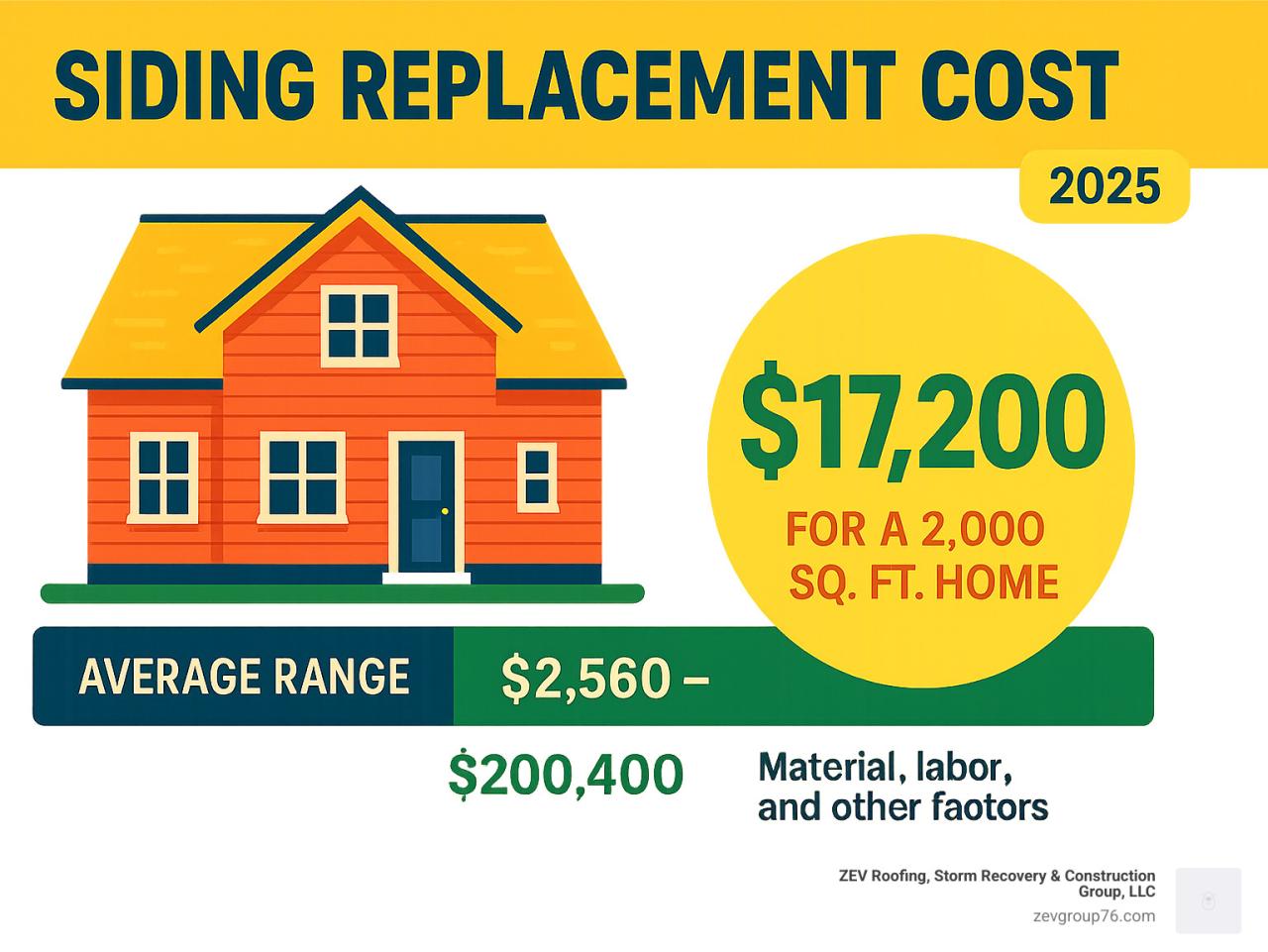
When considering the cost of replacing exterior siding on your home, there are several key factors that can influence the overall expense. Understanding these factors can help you better prepare for the project and budget accordingly.
Different siding materials come with varying costs, which can significantly impact the total replacement cost. For example, vinyl siding is generally more affordable than fiber cement or wood siding. It’s essential to consider both the upfront cost and long-term maintenance requirements of each material when making your decision.
The size of your home plays a significant role in determining the overall cost of replacing the exterior siding. Larger homes will require more materials and labor, leading to higher expenses. It’s crucial to accurately measure the square footage of your home to get an accurate estimate of the replacement cost.
Labor costs are another essential factor to consider when calculating the total expense of replacing exterior siding. The complexity of the installation, the skill level of the workers, and the time required to complete the project can all impact labor costs.
It’s essential to obtain multiple quotes from reputable contractors to ensure you’re getting a fair price for the labor involved.
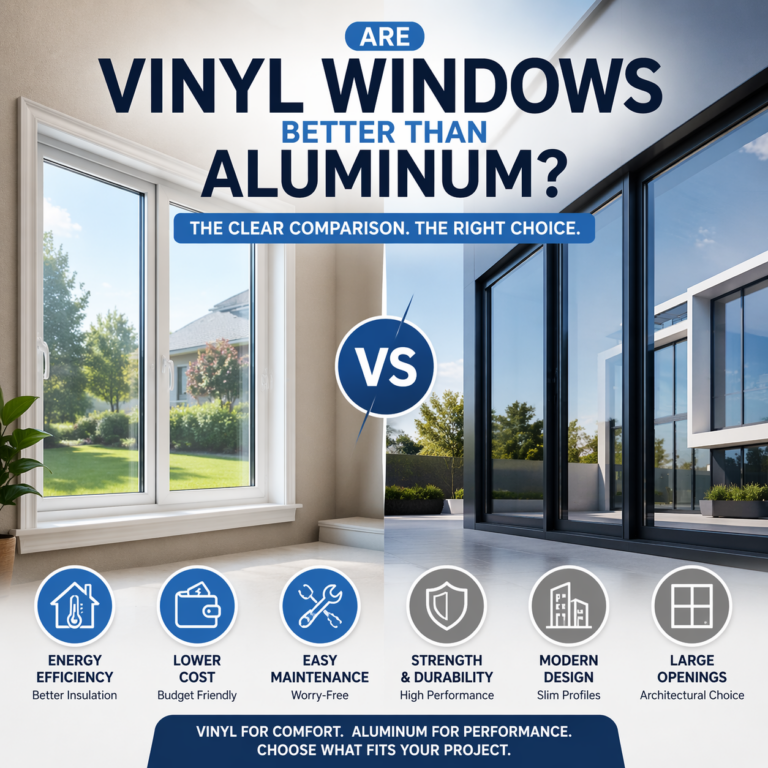
Vinyl siding and fiber cement siding are two popular options for homeowners looking to replace their exterior siding. Let’s compare the cost, durability, maintenance requirements, and aesthetic appeal of these materials.
When it comes to cost, vinyl siding is generally more budget-friendly compared to fiber cement siding. Vinyl siding typically costs between $2 to $7 per square foot, while fiber cement siding can range from $5 to $12 per square foot.
Fiber cement siding is known for its durability, as it is resistant to rot, fire, and pests. It requires minimal maintenance and can last up to 50 years. On the other hand, vinyl siding is also durable but may be prone to cracking or fading over time.
It requires occasional cleaning and maintenance to ensure longevity.
Both vinyl siding and fiber cement siding offer a variety of styles and colors to choose from, allowing homeowners to customize the look of their home. Fiber cement siding can mimic the appearance of wood or stucco, while vinyl siding offers a sleek and modern aesthetic.
Ultimately, the choice between the two materials will depend on personal preference and the overall style of the home.
When it comes to replacing exterior siding, homeowners often look for ways to save money without compromising on quality. Here are some tips to help you reduce costs and get the best value for your investment.
Investing in high-quality siding materials may come with a higher upfront cost, but it can lead to significant long-term savings.
Quality materials are more durable and resistant to weather damage, reducing the need for frequent repairs or replacements.
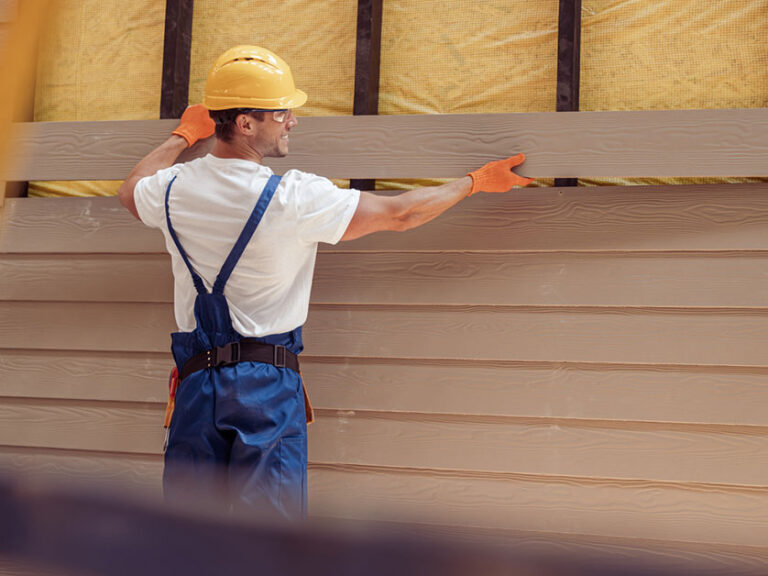
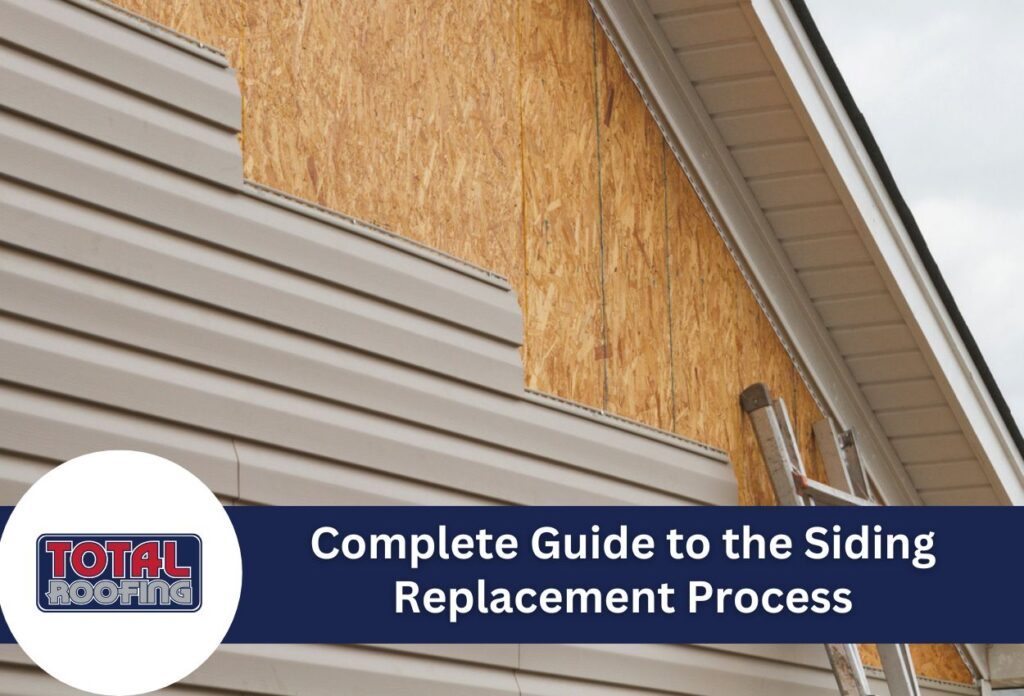
When it comes to replacing exterior siding, understanding the installation process is crucial for homeowners to ensure a smooth and successful project.Proper preparation is key before the installation of new siding begins. This includes removing the existing siding, inspecting the sheathing for any damage, and addressing any structural issues that may affect the installation process.
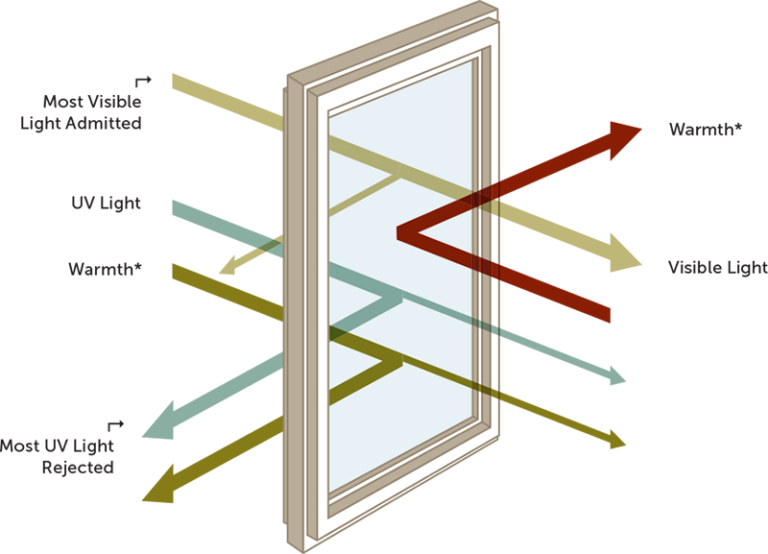
Proper insulation is essential during the installation of exterior siding to improve energy efficiency and protect the home from moisture damage. Insulation helps regulate the temperature inside the home and can reduce heating and cooling costs over time.
What are the common types of siding materials that impact replacement cost?
Vinyl, fiber cement, wood, and metal siding are popular options that can influence the overall cost of replacement.
How can homeowners negotiate with contractors for a better price?
Homeowners can seek multiple quotes, leverage seasonal discounts, and be open to flexible scheduling to potentially secure a better deal with contractors.
What are the potential long-term savings of investing in higher-quality siding materials?
While the initial cost may be higher, investing in premium siding materials can lead to lower maintenance costs, increased durability, and enhanced curb appeal, resulting in long-term savings for homeowners.