Best Insulated Siding for Homes: Costs, Benefits, and Energy Savings
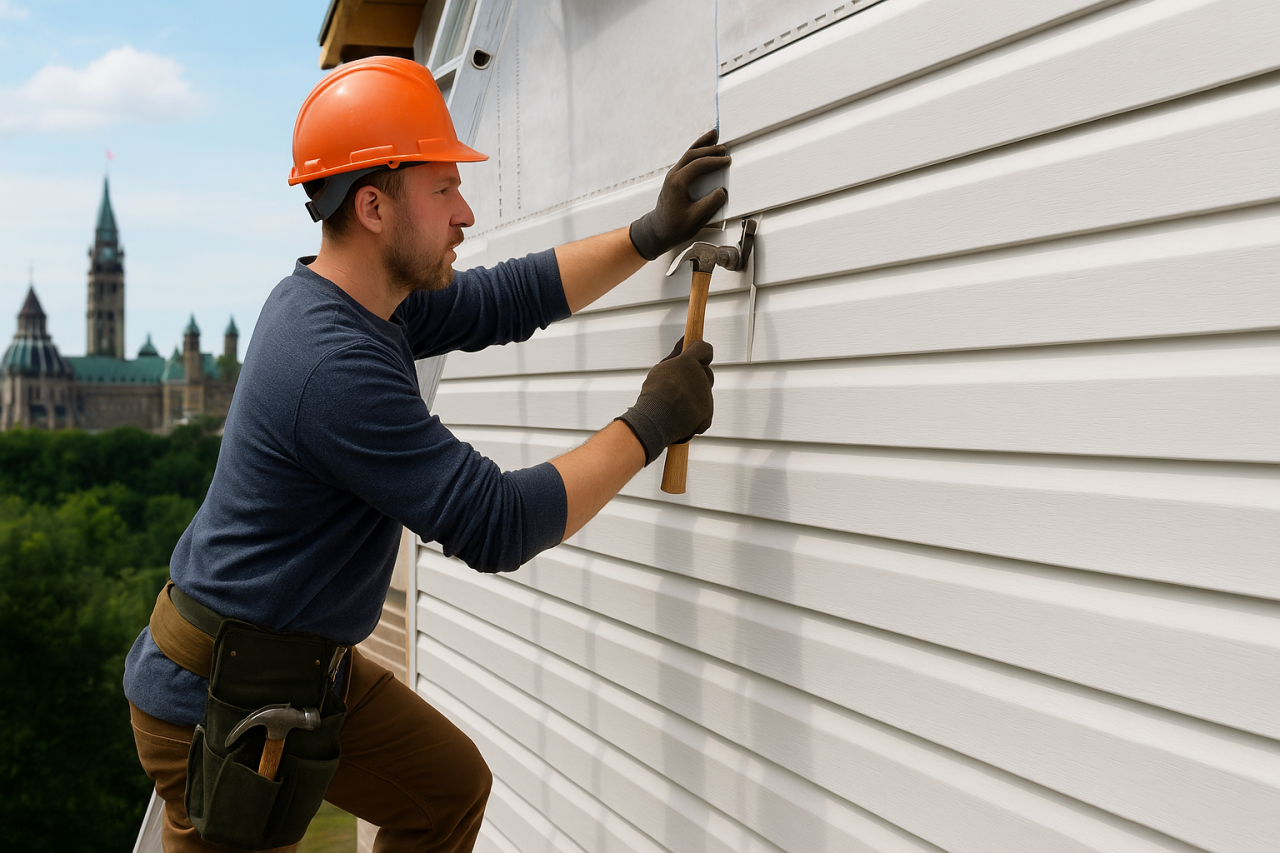
When it comes to choosing insulated siding for your home, there are several types of materials available, each with its own set of pros and cons in terms of durability and insulation properties.
Vinyl insulated siding is a popular choice due to its affordability and low maintenance requirements. It provides decent insulation and comes in a variety of colors and styles. However, vinyl may not be as durable as other materials and can crack or fade over time.
The cost of vinyl insulated siding is relatively low compared to other options.
Fiber cement insulated siding offers excellent durability and is resistant to fire, rot, and pests. It provides good insulation and can mimic the look of wood or stucco. However, fiber cement siding is heavier and may require professional installation, which can increase the overall cost.
Foam backed insulated siding consists of a layer of foam insulation attached to traditional siding materials like vinyl or fiber cement. This type of siding offers superior insulation properties, helping to reduce energy costs. The foam backing also adds an extra layer of protection against impact and noise.
However, foam backed insulated siding tends to be more expensive upfront compared to traditional options.
Insulated siding offers a range of benefits for homeowners, from improving energy efficiency to enhancing the overall appearance of a house.Insulated Siding and Energy Efficiency:Insulated siding serves as an extra layer of protection for your home, helping to minimize heat loss during the winter months and keep your home cooler in the summer.
By providing better insulation, insulated siding can reduce the workload on your heating and cooling systems, leading to lower energy consumption and ultimately saving you money on utility bills.Reducing Heating and Cooling Costs:With the improved insulation provided by insulated siding, homeowners can experience significant savings on their heating and cooling costs.
By maintaining a more consistent temperature within the home, less energy is needed to regulate the indoor climate, resulting in reduced energy bills over time.Enhancing Curb Appeal:In addition to the energy-saving benefits, insulated siding can also enhance the curb appeal of a house.
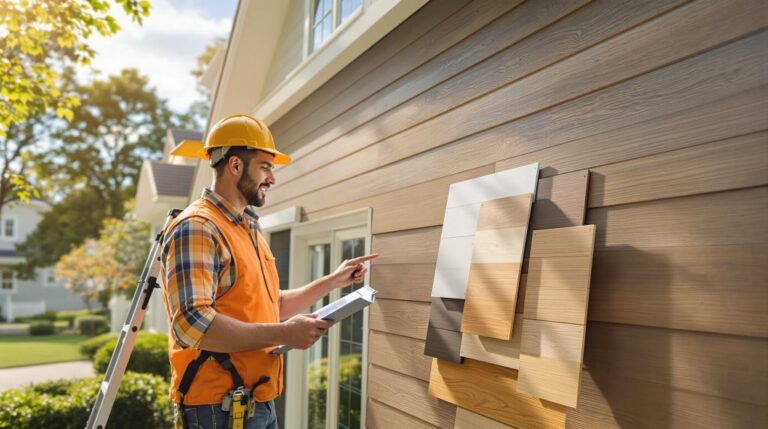
Available in a variety of colors, textures, and styles, insulated siding can transform the exterior of a home, adding visual interest and increasing overall property value. Whether you prefer a traditional look or a more modern aesthetic, insulated siding offers versatility in design options to suit any homeowner’s taste.
When considering the installation of insulated siding for your home, it is essential to understand the various factors that can influence the overall cost. From materials to labor, each component contributes to the total expense of the project.
When evaluating the initial investment in insulated siding, it is essential to consider the long-term benefits. While the upfront cost may be higher compared to traditional siding options, the energy savings and increased home value that insulated siding provides can result in long-term financial gains.
Additionally, the durability and low maintenance requirements of insulated siding can lead to cost savings over time, making it a worthwhile investment for homeowners looking to improve the efficiency and aesthetics of their homes.
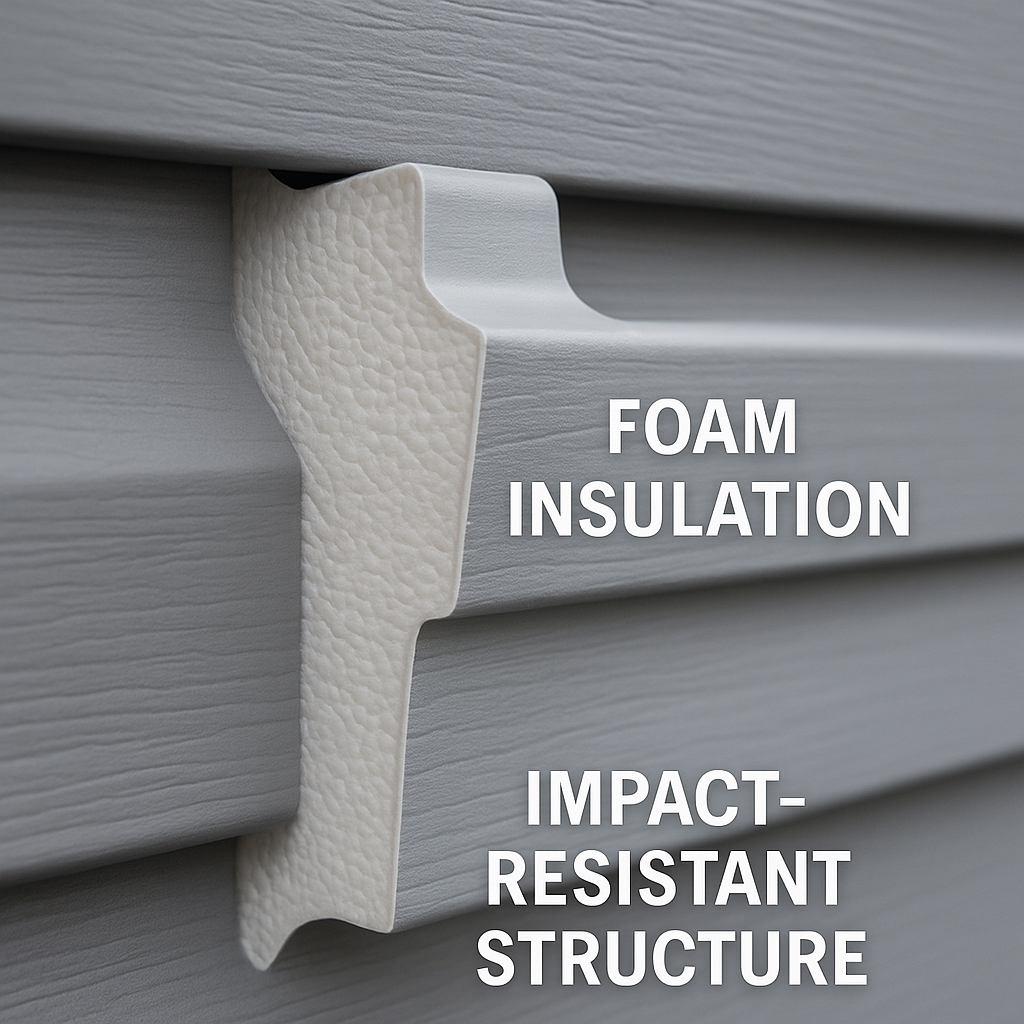
Insulated siding plays a crucial role in contributing to energy savings in residential buildings. By adding an extra layer of insulation to the exterior walls, insulated siding helps regulate indoor temperatures, reducing the need for heating and cooling systems to work overtime.
What are the different types of insulated siding materials available for homes?
Common types include vinyl, fiber cement, and engineered wood siding, each with unique advantages in terms of durability and insulation properties.
How does insulated siding contribute to energy savings in residential buildings?
Insulated siding helps regulate indoor temperatures, reducing the need for excessive heating or cooling, resulting in lower energy consumption and cost savings.
What factors influence the cost of installing insulated siding?
Factors like the type of material, size of the project, and labor costs can impact the overall installation cost of insulated siding.