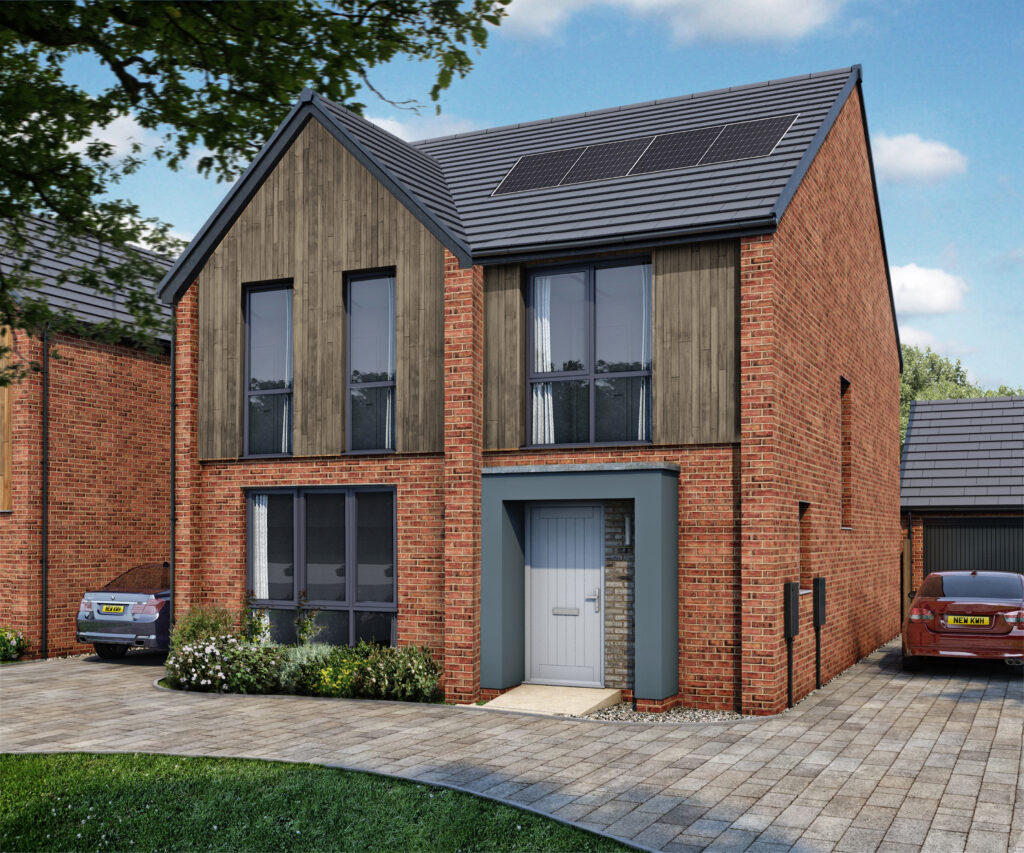
Cost to Clad a 4-Bedroom Detached House UK: Material & Labour Rates
Exploring the cost factors involved in cladding a 4-bedroom detached house in the UK, this article delves into the materials, labor rates, and additional expenses that contribute to the overall expenses. Get ready to uncover the intricacies of this process and gain valuable insights for your next project.
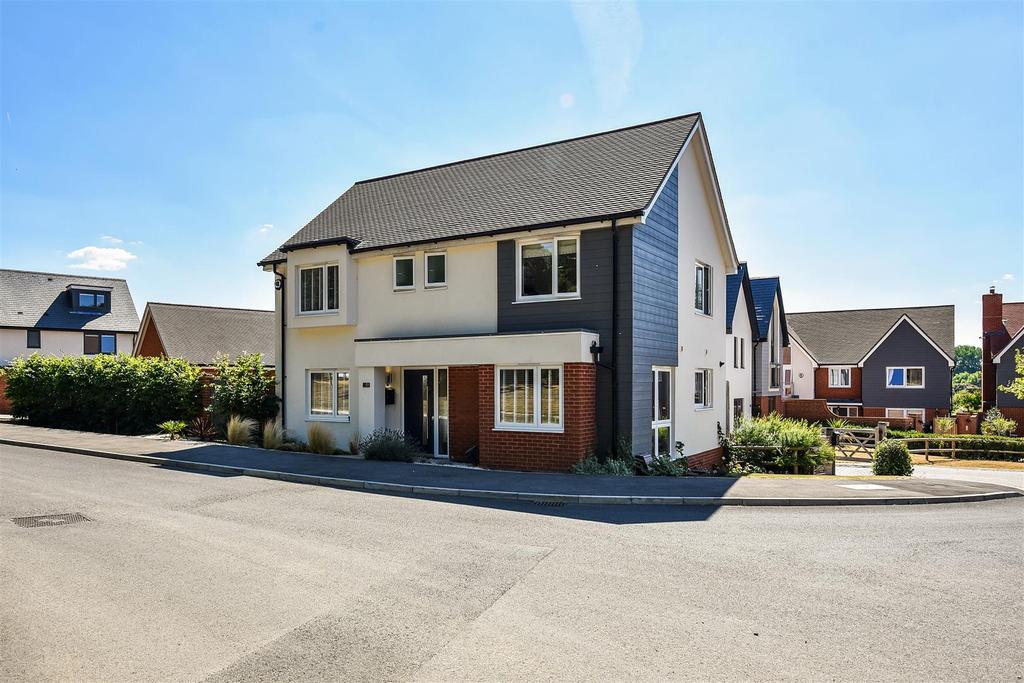
When considering the cost to clad a 4-bedroom detached house in the UK, several factors come into play that can influence the overall expenses. Understanding these factors is crucial for homeowners looking to undertake a cladding project.
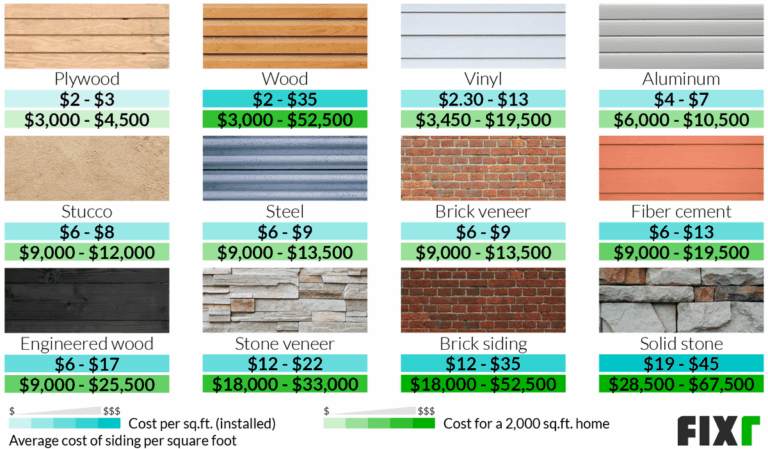
The choice of materials for cladding a house can greatly impact the total cost. Common materials used include timber, brick, PVCu, metal, and fiber cement. Each material varies in cost and durability, so selecting the right one for your home is essential to staying within budget.
The size and design of the house play a significant role in determining the cost of cladding. Larger houses require more materials and labor, leading to higher expenses. Additionally, complex designs or irregular shapes can increase the complexity of the cladding process, driving up the overall cost.
Labor rates and availability of skilled workers can also impact the cost of cladding. Areas with high demand for cladding services may have higher labor rates, while a shortage of skilled workers can lead to delays and increased costs. It is essential to consider these factors when budgeting for a cladding project.
In addition to material and labor costs, there are several other expenses that homeowners may need to consider during the cladding process. These can include scaffolding rental, disposal of old materials, planning permission fees, and any necessary repairs or preparatory work.
Being aware of these additional costs can help homeowners budget more effectively for their cladding project.
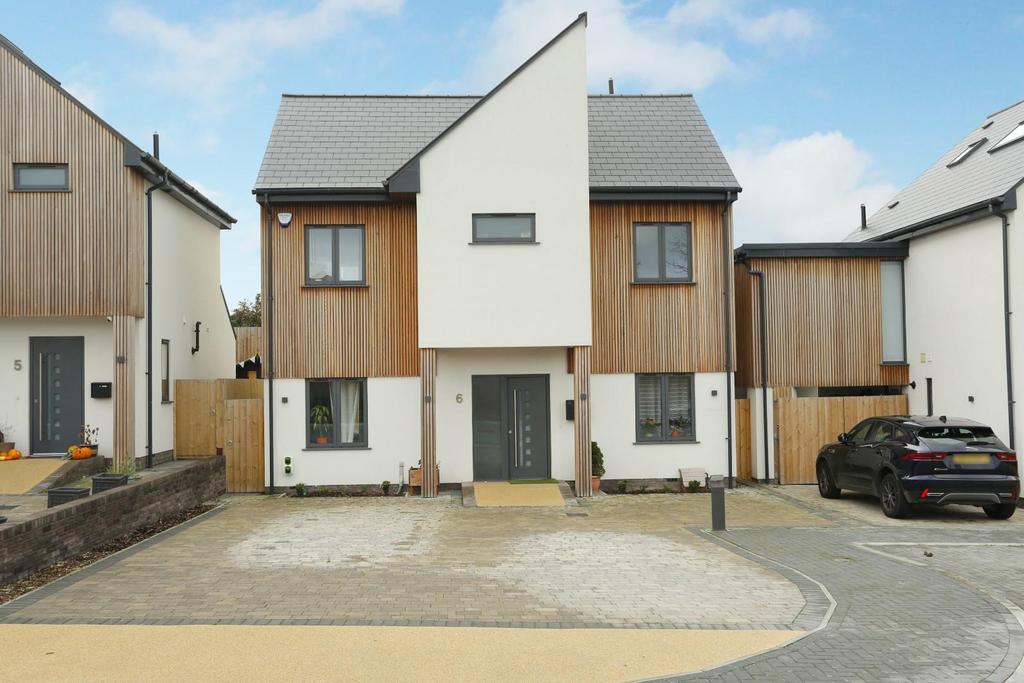
When considering the cost to clad a 4-bedroom detached house in the UK, the choice of materials plays a significant role in determining the overall expenses. Let’s explore the costs of various cladding materials and how they can impact your budget.Timber, vinyl, fiber cement, and brick are popular options for cladding a house, each with its own set of characteristics and costs.
It’s essential to weigh the pros and cons of each material before making a decision.
£60
£40
£80
£100
Durability and Maintenance Requirements
- Timber: Natural and aesthetically pleasing but requires regular maintenance such as painting or staining to prevent rot.
- Vinyl: Low maintenance and durable, but can fade over time and may not offer the same aesthetic appeal as other materials.
- Fiber Cement: Highly durable and low maintenance, resistant to rot and pests, but may require occasional cleaning.
- Brick: Extremely durable and long-lasting, with minimal maintenance required, but can be more expensive upfront.
Quality Impact on Cost and Longevity
The quality of the cladding material directly affects both the initial cost and the longevity of the cladding. Opting for higher-quality materials may result in a higher upfront cost but can save money in the long run by reducing maintenance and replacement expenses.
When it comes to cladding installation, labor rates play a significant role in determining the overall cost of the project. The cost of labor can vary depending on various factors such as location, experience of the workers, and the complexity of the design or material choice.
Labor rates for cladding installation are typically charged per square meter or per hour. On average, labor costs for cladding installation in the UK can range from £20 to £50 per square meter or £150 to £200 per day per worker.
Labor costs for cladding a house typically include tasks such as:
When estimating the total cost of cladding a 4-bedroom detached house, it is essential to consider both material and labor rates. Additionally, factoring in additional expenses such as scaffolding, waste removal, and finishing touches is crucial for an accurate budget.
Let’s delve into the details below.
What are some common materials used for cladding a 4-bedroom detached house?
Common materials include timber, vinyl, fiber cement, and brick.
How does the size and design of the house impact the overall cost of cladding?
The larger the size and more intricate the design, the higher the cost due to increased material and labor requirements.
What are some additional costs that may be incurred during the cladding process?
Additional costs may include scaffolding, waste removal, and finishing touches.