Best Exterior Siding for Energy Efficiency: Costs and Long-Term Savings
When it comes to choosing exterior siding for your home, there are several options available, each with its own set of characteristics and energy efficiency levels. The type of siding you choose can have a significant impact on your home’s energy savings in the long run.
Vinyl siding is a popular choice for many homeowners due to its affordability and low maintenance requirements. While vinyl siding itself may not provide high levels of insulation, it can be paired with additional insulation materials to improve energy efficiency.
Overall, vinyl siding is considered to be moderately energy-efficient.
Fiber cement siding is a durable and low-maintenance option that offers better insulation properties compared to vinyl siding. It can help reduce energy costs by keeping your home well-insulated throughout the year. Fiber cement siding is known for its energy efficiency and long-term savings.
Wood siding provides a natural and classic look to homes but may require more maintenance compared to other siding materials. While wood siding can offer some insulation benefits, it may not be as energy-efficient as other options unless paired with additional insulation materials.
Proper maintenance is key to ensuring wood siding remains energy-efficient over time.
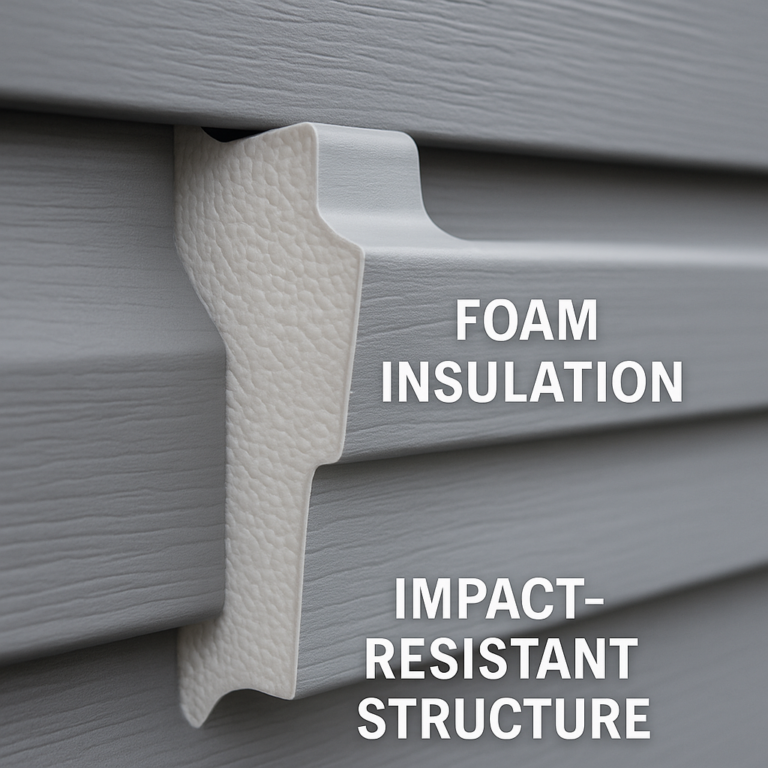
Insulated siding is designed specifically to improve energy efficiency by incorporating insulation materials directly into the siding panels. This type of siding helps reduce heat loss and can lead to significant energy savings over time. While insulated siding may have a higher upfront cost, the long-term energy savings make it a worthwhile investment.
Brick siding is a durable and low-maintenance option that provides excellent insulation properties. Brick can help regulate indoor temperatures, reducing the need for excessive heating or cooling, ultimately leading to energy savings. While brick siding may have a higher initial cost, its energy efficiency and longevity make it a cost-effective choice in the long run.
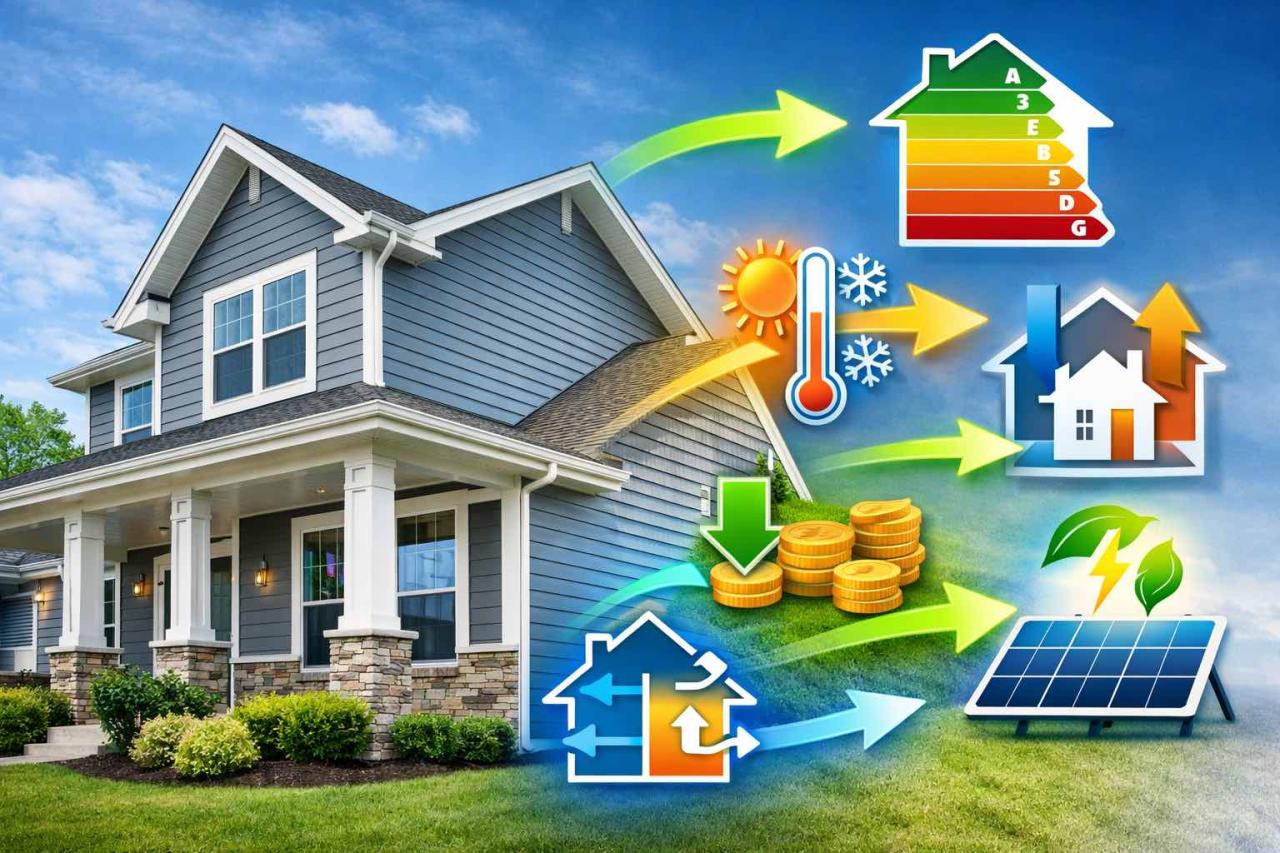
When it comes to choosing exterior siding for energy efficiency, cost is a significant factor to consider. The initial costs associated with different types of siding can vary widely, as can the long-term savings related to energy efficiency. It’s essential to weigh these factors carefully to make the best decision for your home and budget.
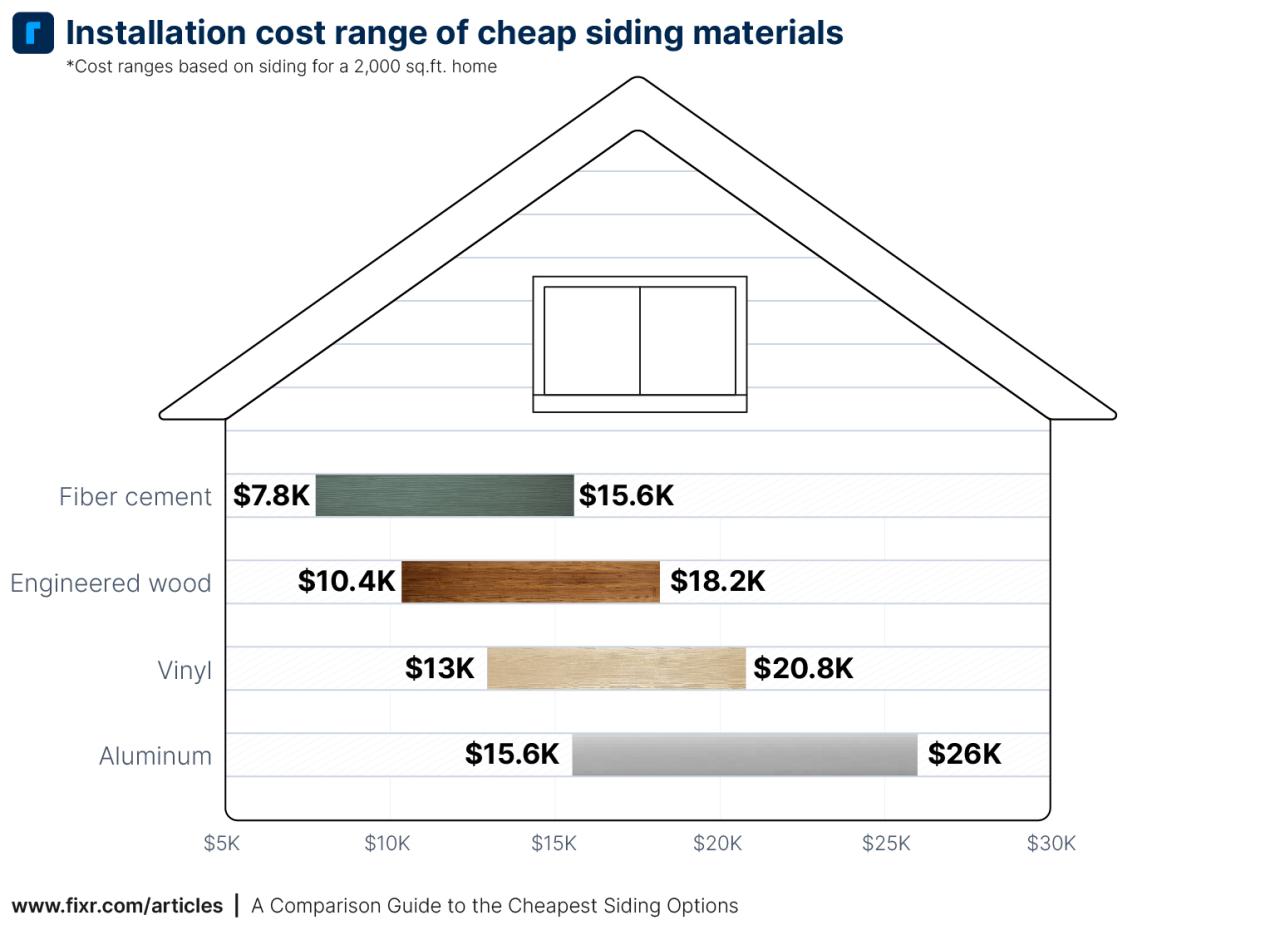
The initial cost of exterior siding can depend on various factors, such as the material used, the size of your home, and the complexity of the installation process. Here are some examples of the initial costs associated with different types of siding:
It’s important to consider not only the upfront costs but also the long-term savings related to energy efficiency when choosing exterior siding.
While the initial cost of energy-efficient siding may be higher, the long-term savings can be substantial. Energy-efficient siding helps to reduce heating and cooling costs by providing better insulation and reducing air leakage. Some examples of cost-effective siding options for energy savings include:
Insulation properties play a crucial role in determining the energy efficiency of a home by helping to regulate indoor temperatures and reduce the need for excessive heating or cooling. Different siding materials offer varying levels of insulation, affecting both the comfort of the home and long-term energy costs.
Insulation in siding helps to create a barrier against outdoor temperatures, preventing heat loss in winter and heat gain in summer. By improving the insulation properties of the exterior walls, homeowners can reduce their reliance on heating and cooling systems, ultimately lowering energy bills.
Properly insulated siding also contributes to a more comfortable indoor environment, maintaining a consistent temperature throughout the year and increasing overall energy efficiency.
In considering the environmental impact of exterior siding materials, it is crucial to explore the sustainability of various options. Eco-friendly siding choices not only contribute to energy efficiency but also offer long-term benefits in terms of environmental conservation.
Proper maintenance of exterior siding is crucial not only for aesthetic purposes but also for ensuring energy efficiency in your home. Different siding materials have varying maintenance needs that can impact their longevity and performance. Let’s delve into the maintenance requirements of different siding materials and how they can enhance energy efficiency.
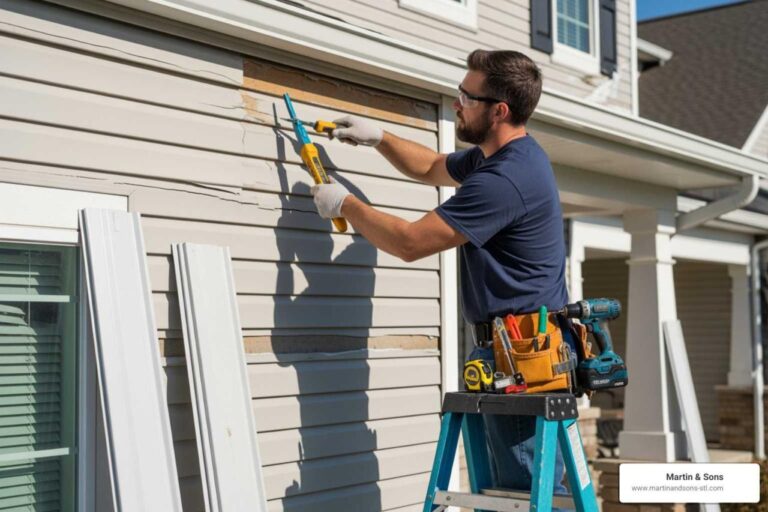
Vinyl siding is known for being low maintenance, requiring occasional cleaning with soap and water to remove dirt and debris. Inspecting for any cracks or damage is important to prevent air leaks that can affect energy efficiency. Seal any gaps with caulk to maintain a tight seal and prevent heat loss.
Wood siding needs regular maintenance such as painting or staining every few years to protect it from moisture and rot. Properly sealed and painted wood siding can provide better insulation, reducing energy loss through the walls. Inspect for any signs of water damage or pests and address them promptly to maintain energy efficiency.
Fiber cement siding is durable but may require repainting every 10-15 years to maintain its appearance and protection against the elements. Regular cleaning and inspection for cracks or damage are essential to prevent air leaks and maintain energy efficiency. Properly maintained fiber cement siding can contribute to better insulation and energy savings.
What are the best types of siding for energy efficiency?
The best siding materials for energy efficiency are typically those with high insulation properties, such as insulated vinyl or fiber cement siding.
How can proper maintenance impact energy savings with siding?
Regular maintenance, such as cleaning and inspections, can help ensure that the siding remains energy efficient by preventing air leaks and damage that could affect insulation.
Are there any eco-friendly siding options that are also cost-effective?
Yes, materials like recycled wood or engineered wood siding can be both environmentally friendly and provide long-term energy savings due to their insulation properties.