Marley Eternit Fibre Cement Cladding: Full Installation Cost Guide
As we delve into the world of Marley Eternit Fibre Cement Cladding: Full Installation Cost Guide, get ready to uncover a wealth of information that will guide you through the intricacies of installation costs with clarity and precision.
In the upcoming sections, we will explore the composition, benefits, factors influencing costs, and tips for cost-effective installation of Marley Eternit fibre cement cladding.
Marley Eternit fibre cement cladding is a popular choice for exterior cladding due to its durability, aesthetic appeal, and environmental sustainability.
Marley Eternit fibre cement cladding is composed of a mixture of cement, cellulose fibers, and other additives. This combination results in a strong and durable material that is resistant to rot, fire, and pests. Additionally, the cladding is low maintenance, requiring minimal upkeep over its lifespan.
Marley Eternit fibre cement cladding is known for its long lifespan, often lasting for several decades without needing replacement. Its resistance to weathering, UV exposure, and moisture make it a reliable choice for harsh climates and coastal areas.
Marley Eternit offers a wide range of colors, textures, and finishes for their fibre cement cladding, allowing homeowners and designers to create unique and visually appealing facades. Whether seeking a modern, traditional, or rustic look, there are options to suit various architectural styles.
Marley Eternit fibre cement cladding is a sustainable choice for environmentally-conscious projects. The manufacturing process involves minimal waste, and the material itself is recyclable at the end of its lifespan. Additionally, the longevity of the cladding reduces the need for frequent replacements, further reducing environmental impact.
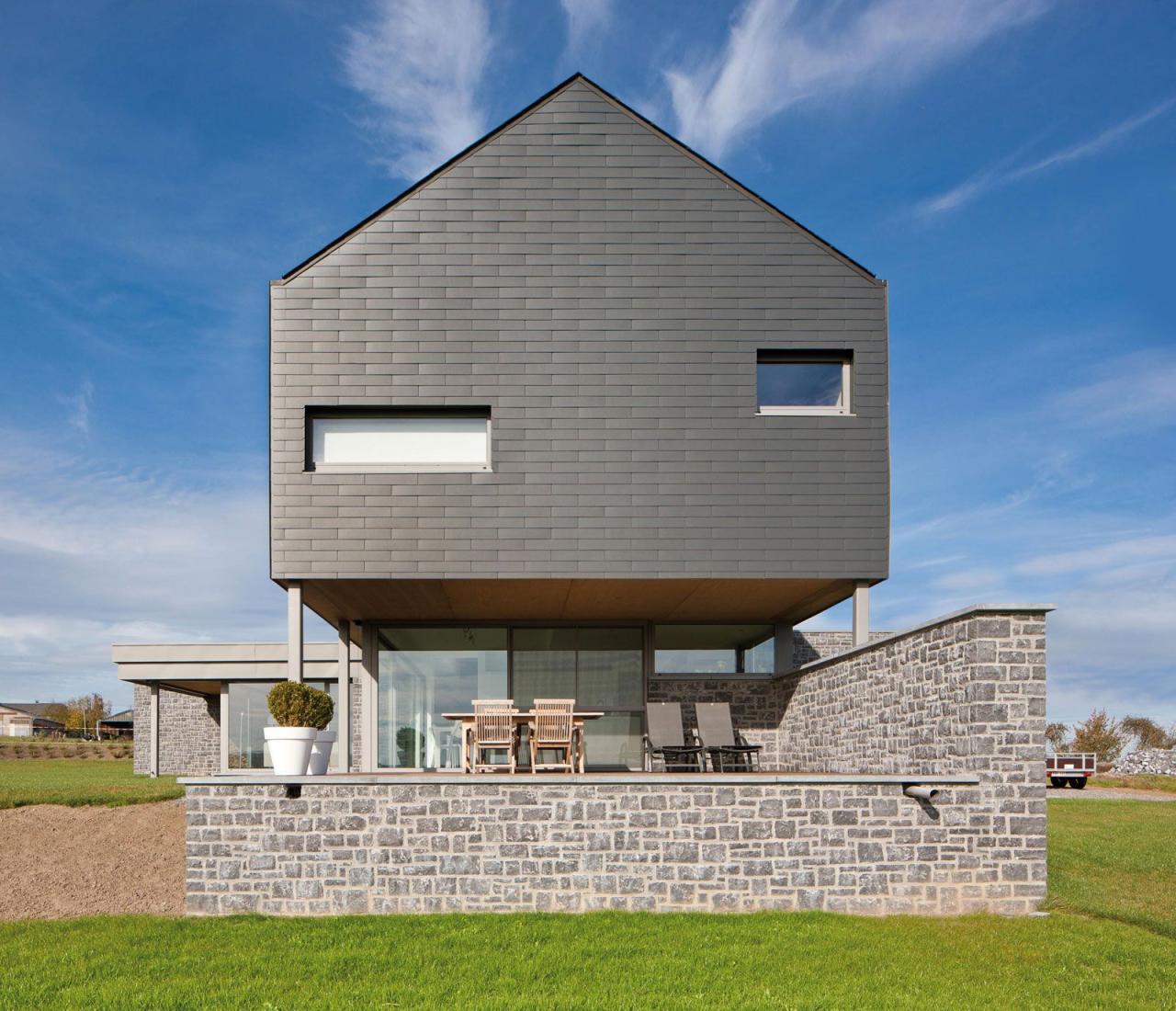
When it comes to the installation cost of Marley Eternit fibre cement cladding, several key factors come into play. Let’s delve into how these factors influence the overall cost of installing this type of cladding.
The size and complexity of the project play a significant role in determining the installation cost of Marley Eternit fibre cement cladding. Larger projects with intricate designs or unique architectural features may require more time and resources, ultimately impacting the total installation cost.
Labor costs are a crucial component of the total installation cost of Marley Eternit fibre cement cladding. The expertise and efficiency of the installation team can significantly impact the final cost of the project.
In addition to material and labor expenses, there are other potential costs that may arise during the installation of Marley Eternit fibre cement cladding. These additional expenses can contribute to the overall project cost.
Installing Marley Eternit fibre cement cladding involves various costs that need to be considered for a successful project. These costs can be categorized into material costs, labor costs, equipment costs, and other relevant expenses.
When comparing the installation cost of Marley Eternit fibre cement cladding with other materials like vinyl, wood, or metal, it is essential to consider the longevity, maintenance requirements, and overall durability of the cladding. While the initial cost of Marley Eternit fibre cement cladding may be higher, its long-term benefits in terms of durability and low maintenance can result in cost savings over time.
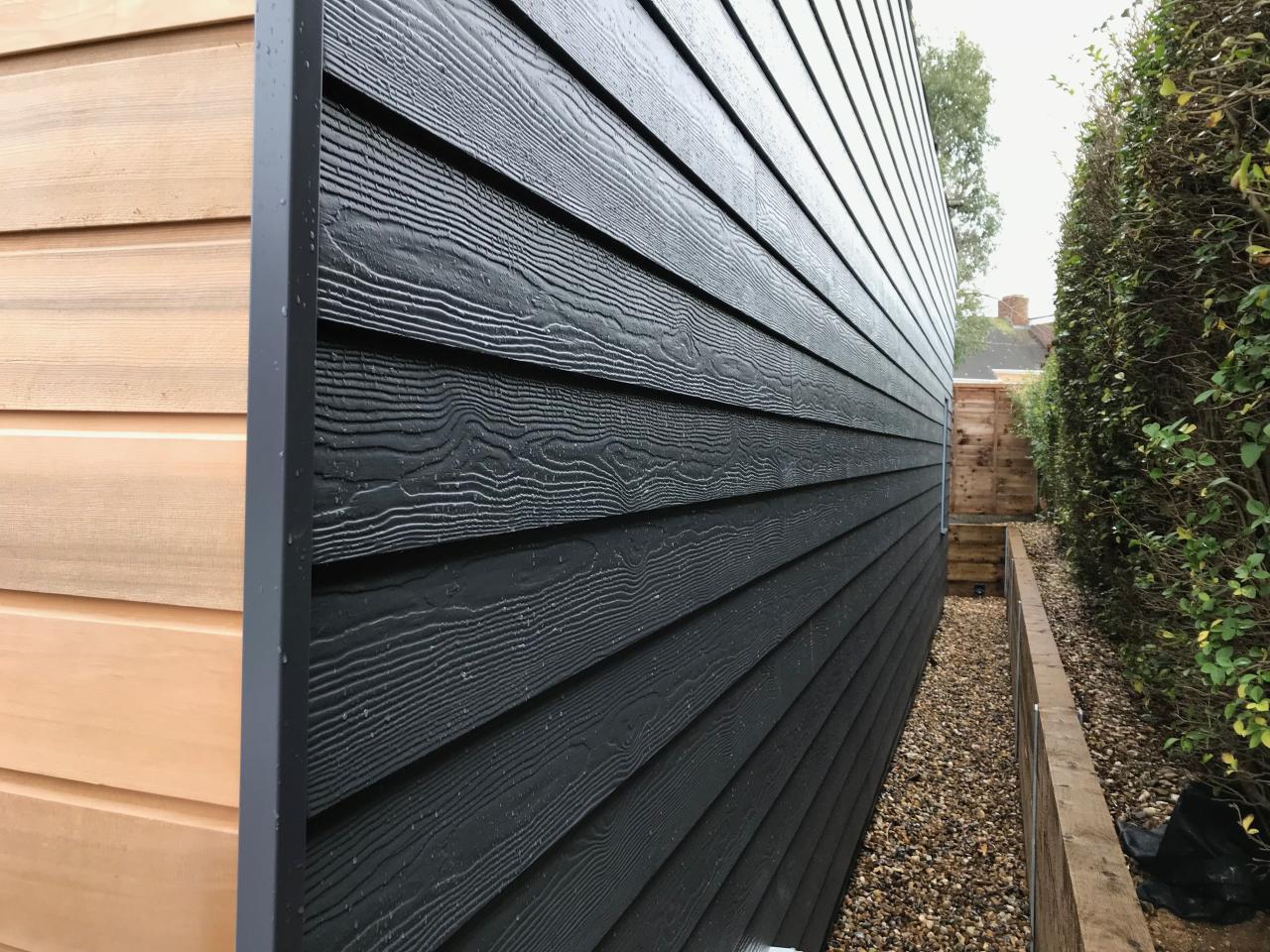
When it comes to installing Marley Eternit fibre cement cladding, there are several ways to ensure a cost-effective process. By following these tips, you can reduce the overall installation cost and maximize efficiency.
What are the benefits of Marley Eternit fibre cement cladding?
The benefits include durability, longevity, and a wide range of aesthetic options.
How do labor costs impact the total installation cost?
Labor costs play a significant role in determining the overall installation cost, alongside material and equipment expenses.
Are there any cost-saving measures during the installation process?
Yes, efficient installation practices and proper planning can help reduce costs.