Zinc vs. Copper Exterior Wall Cladding Cost per m² UK Comparison
Exploring the cost differences between Zinc and Copper exterior wall cladding in the UK sets the stage for an insightful comparison. This analysis delves into the key factors influencing pricing and installation, shedding light on the practical aspects of these popular materials.
Zinc and Copper are popular choices for exterior wall cladding materials in the UK due to their durability and aesthetic appeal. Both materials offer unique characteristics that can enhance the look of a building while providing protection against the elements.
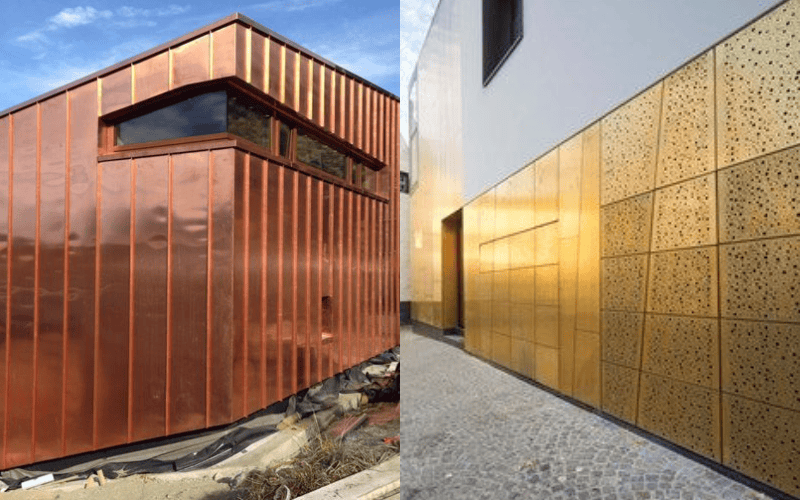
Zinc and Copper are both popular choices for exterior wall cladding due to their unique properties and aesthetics. Let’s delve into the material properties of Zinc and Copper to understand their differences and advantages.
Zinc is known for its exceptional durability and longevity as an exterior cladding material. It is resistant to corrosion, rust, and weathering, making it a low-maintenance option for buildings. Zinc cladding can last for over 50 years without losing its structural integrity.
On the other hand, Copper is also durable but requires more maintenance to prevent patina formation and oxidation. Regular cleaning and sealing are necessary to maintain the appearance and longevity of Copper cladding.
Zinc offers a modern and sleek aesthetic when used as wall cladding. It has a smooth finish that can develop a natural patina over time, adding character to the building facade. Copper, on the other hand, has a rich and warm appearance that develops a distinct greenish patina over time.
The choice between Zinc and Copper for wall cladding ultimately depends on the desired aesthetic and architectural style of the building.
Zinc requires minimal maintenance compared to Copper. A periodic cleaning with water and mild detergent is usually sufficient to keep Zinc cladding looking its best. In contrast, Copper cladding needs regular cleaning, polishing, and sealing to prevent patina formation and maintain its original appearance.
The higher maintenance requirements of Copper make Zinc a more cost-effective and practical choice for long-term use.
Both Zinc and Copper are sustainable building materials with low environmental impact. Zinc is fully recyclable and has a lower carbon footprint compared to Copper. Additionally, Zinc requires less energy for production and transportation, making it a more eco-friendly option for exterior wall cladding.
Copper is also recyclable but requires more energy-intensive processes for extraction and production. Overall, Zinc is considered a more environmentally friendly choice for building materials due to its recyclability and lower energy consumption.
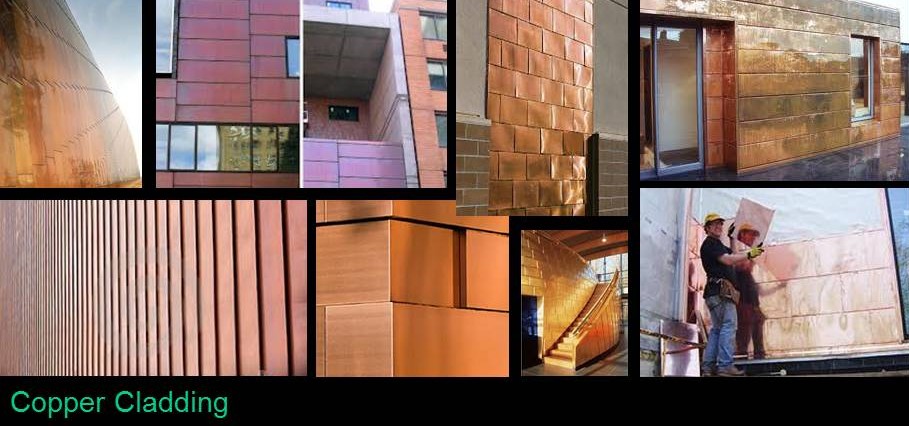
When it comes to choosing between Zinc and Copper exterior wall cladding, cost is a significant factor that needs to be considered. Let’s delve into the cost considerations for both options.
Installing Zinc wall cladding involves several cost components, including the cost of materials, labor, tools, and any additional finishing or customization. The cost of Zinc itself can vary depending on the market prices and the quality of the material.
The market prices for Zinc and Copper can fluctuate based on factors such as demand, availability, and economic conditions. These price variations directly impact the overall cost per square meter of the cladding. It’s essential to consider these market prices when making a decision between Zinc and Copper cladding.
To save costs when choosing between Zinc and Copper cladding, consider alternatives such as pre-painted Zinc panels or using Copper accents instead of full Copper cladding. Additionally, obtaining multiple quotes from different suppliers and contractors can help you find the best price for your project.
In the long term, it’s crucial to analyze the return on investment for Zinc versus Copper cladding. While Copper may have a higher initial cost, its durability and longevity may provide a better return on investment over time compared to Zinc.
Consider factors such as maintenance costs, energy efficiency, and aesthetic appeal when evaluating the long-term benefits of each material.
Installing exterior wall cladding is a crucial step in enhancing the aesthetics and durability of a building. Here, we will delve into the installation process for Zinc cladding, compare it with Copper cladding, discuss any complexities or challenges, and provide tips for a successful installation.
What factors influence the cost of Zinc cladding in the UK?
The cost of Zinc cladding is influenced by factors such as material quality, installation complexity, and market demand.
How does the aesthetic appeal of Zinc compare to Copper?
Zinc offers a modern and sleek aesthetic, while Copper provides a more traditional and warm look for exterior cladding.
Are there any cost-saving measures when choosing between Zinc and Copper cladding?
Opting for pre-painted Zinc panels or recycled Copper can be cost-effective alternatives in exterior wall cladding projects.
What is the return on investment like for Zinc versus Copper cladding in the long term?
Zinc tends to have a higher initial cost but lower maintenance expenses, potentially leading to better long-term ROI compared to Copper.