How to Calculate Out-of-Pocket Maximums on Group Health Insurance Policies
Beginning with How to Calculate Out-of-Pocket Maximums on Group Health Insurance Policies, the narrative unfolds in a compelling and distinctive manner, drawing readers into a story that promises to be both engaging and uniquely memorable.
Out-of-pocket maximums on group health insurance policies can sometimes be confusing to navigate. Understanding how these limits work and how they impact your overall healthcare costs is crucial for making informed decisions.
Out-of-pocket maximums refer to the most amount of money an individual or family will have to pay for covered healthcare services within a specific period, typically a year, before their insurance plan starts to cover 100% of the costs. This limit includes deductibles, copayments, and coinsurance.
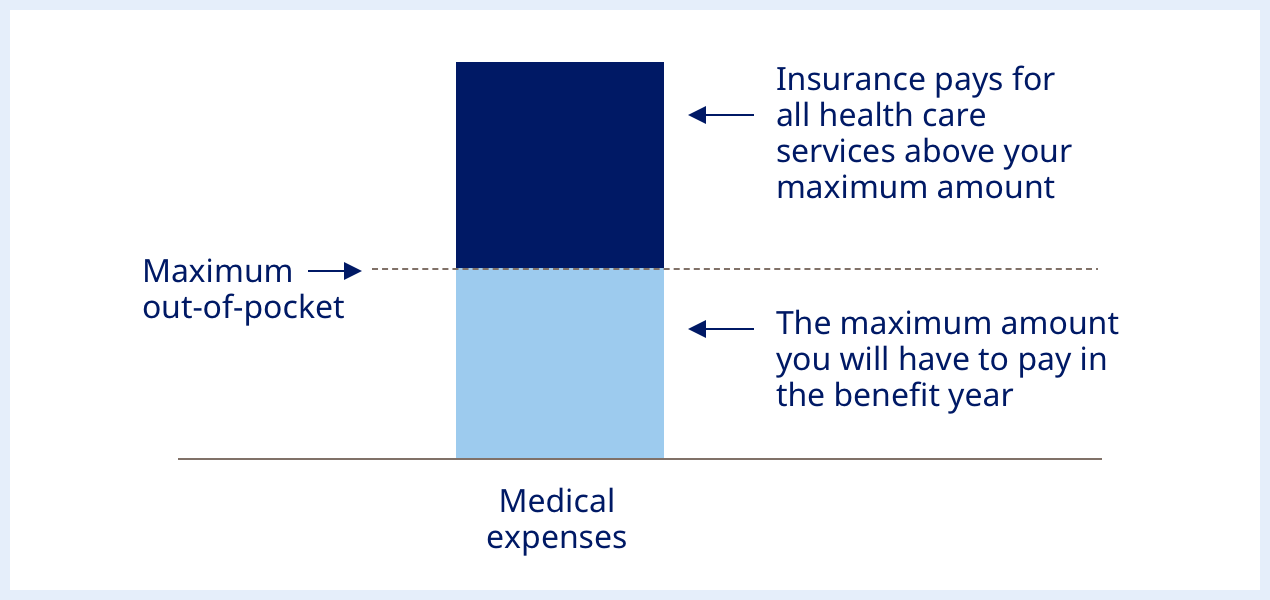
Out-of-pocket maximums work by accumulating the total amount of money an individual pays towards covered medical expenses throughout the year. Once this maximum limit is reached, the insurance company covers all additional costs for the remainder of the plan year.
For example, if an individual has a $3,000 out-of-pocket maximum and has already paid $2,500 in deductibles and copayments, they would only need to pay an additional $500 before the insurance company covers the rest.
Out-of-pocket maximums are crucial for protecting individuals and families from exorbitant medical expenses. They provide financial security by capping the amount of money a person has to pay out of their pocket, ensuring that they are not burdened with overwhelming healthcare costs.
This limit gives peace of mind to policyholders, knowing that there is a maximum amount they will have to pay in a worst-case scenario.
While deductibles and copayments are also cost-sharing features in health insurance, they function differently from out-of-pocket maximums. Deductibles are the amount individuals must pay before the insurance company starts covering costs, while copayments are fixed amounts paid for specific services.
On the other hand, out-of-pocket maximums represent the total limit on what an individual has to pay in a year, combining deductibles, copayments, and coinsurance.
When it comes to group health insurance policies, the out-of-pocket maximum plays a crucial role in determining the financial protection offered to policyholders. Let’s delve into the various components that contribute to the calculation of out-of-pocket maximums and how they differ across different types of group health insurance plans.
Deductibles are the initial amount that policyholders must pay out of pocket before their insurance coverage kicks in. This amount varies depending on the plan and can significantly impact the out-of-pocket maximum. Lower deductibles typically result in higher monthly premiums but can lead to a lower out-of-pocket maximum.
Coinsurance is the percentage of costs that policyholders are responsible for paying after meeting their deductible. This amount is typically split between the insurance company and the policyholder, with the policyholder’s share contributing to the out-of-pocket maximum. Understanding the coinsurance percentage is essential in calculating the out-of-pocket maximum accurately.
Copayments are fixed amounts that policyholders pay for covered services, such as doctor visits or prescriptions. While copayments do not usually count towards the deductible, they do contribute to the out-of-pocket maximum. Knowing the copayment amounts for different services can help individuals plan and budget for healthcare expenses.
Out-of-pocket maximums can vary significantly across different types of group health insurance plans, such as HMOs, PPOs, or high-deductible health plans. While some plans may have lower out-of-pocket maximums with higher monthly premiums, others might offer higher out-of-pocket maximums with lower premiums.
It’s essential to consider your healthcare needs and budget constraints when choosing a plan that aligns with your financial goals.
Factors like deductibles, coinsurance, and copayments all play a crucial role in determining the out-of-pocket maximum on group health insurance policies. By understanding how these components interact and influence each other, policyholders can make informed decisions about their healthcare coverage.
Being aware of these factors can help individuals navigate the complexities of health insurance and ensure they are prepared for any unexpected medical expenses.
When it comes to calculating the out-of-pocket maximum on a group health insurance policy, it’s essential to understand the process involved. This figure represents the most you will have to pay for covered services in a policy period before your insurance plan starts to pay 100% for covered expenses.
Let’s walk through a hypothetical scenario to better understand how to calculate the out-of-pocket maximum on a group health insurance policy:
It’s important to note that not all expenses may count towards your out-of-pocket maximum. Some health insurance policies may have limitations or exclusions on certain services or treatments. For example, premiums, out-of-network services, or non-covered services may not count towards your out-of-pocket maximum.
Managing out-of-pocket costs is crucial for individuals covered under a group health insurance policy. By implementing certain strategies, one can effectively lower their out-of-pocket expenses and maximize their benefits. Here are some tips to help you navigate and manage your out-of-pocket costs wisely.
Utilizing in-network healthcare providers can significantly reduce your out-of-pocket costs. Insurance companies have negotiated lower rates with in-network providers, which means you will pay less for services rendered. Before seeking medical care, always check if the provider is in-network to avoid unexpected high bills.
Health Savings Accounts (HSAs) are a great way to save money for medical expenses while enjoying tax benefits. By contributing to an HSA, you can use the funds to pay for qualified medical expenses, including copayments, deductibles, and coinsurance. This can help offset your out-of-pocket costs and reduce the financial burden of healthcare.
It is essential to thoroughly understand the benefit limits of your insurance policy to avoid exceeding them and facing high out-of-pocket expenses. Familiarize yourself with the coverage details, including annual limits, copayment caps, and exclusions. By staying within the specified benefit limits, you can effectively manage your out-of-pocket costs and prevent unexpected financial strain.
Consider the case of Sarah, who diligently researched and selected an in-network provider for her surgery. As a result, she saved thousands of dollars in out-of-pocket costs compared to using an out-of-network provider. By making informed choices and leveraging her insurance benefits wisely, Sarah successfully managed her out-of-pocket expenses and received quality healthcare without breaking the bank.In conclusion, by following these strategies and being proactive in managing your out-of-pocket costs, you can optimize your group health insurance benefits and ensure financial stability when accessing healthcare services.
How do I know if a specific medical expense counts towards my out-of-pocket maximum?
Generally, expenses like deductibles, copayments, and coinsurance contribute towards your out-of-pocket maximum. However, services that are not covered by your insurance plan may not count.
Can my out-of-pocket maximum change during the policy year?
Out-of-pocket maximums are typically fixed for the policy year, but certain life events like marriage, having a baby, or changing jobs may trigger a reset of these limits.
Are prescription drug costs included in the out-of-pocket maximum?
Yes, in most cases, prescription drug costs count towards your out-of-pocket maximum on a group health insurance policy.