
Brick Slip Cladding vs. Traditional Brickwork: Installation Cost UK – A Comprehensive Comparison
Embarking on the comparison between Brick Slip Cladding and Traditional Brickwork in terms of installation cost in the UK, this exploration delves into the intricacies of each method, shedding light on their differences and practical implications.
Delving deeper, we uncover the step-by-step process of installing both Brick Slip Cladding and Traditional Brickwork, offering insights into the time, effort, and expertise required for each technique.
Brick Slip Cladding and Traditional Brickwork are two common techniques used in the construction industry, especially in the UK. Brick Slip Cladding involves the application of thin slices of brick to the exterior or interior of a building, creating the appearance of traditional brickwork.
On the other hand, Traditional Brickwork refers to the use of full-sized bricks in construction.
Brick Slip Cladding and Traditional Brickwork have distinct installation processes that impact the overall time and cost of the project.
Brick Slip Cladding typically takes less time to install compared to Traditional Brickwork due to the simplified process of affixing brick slips rather than building a wall brick by brick.
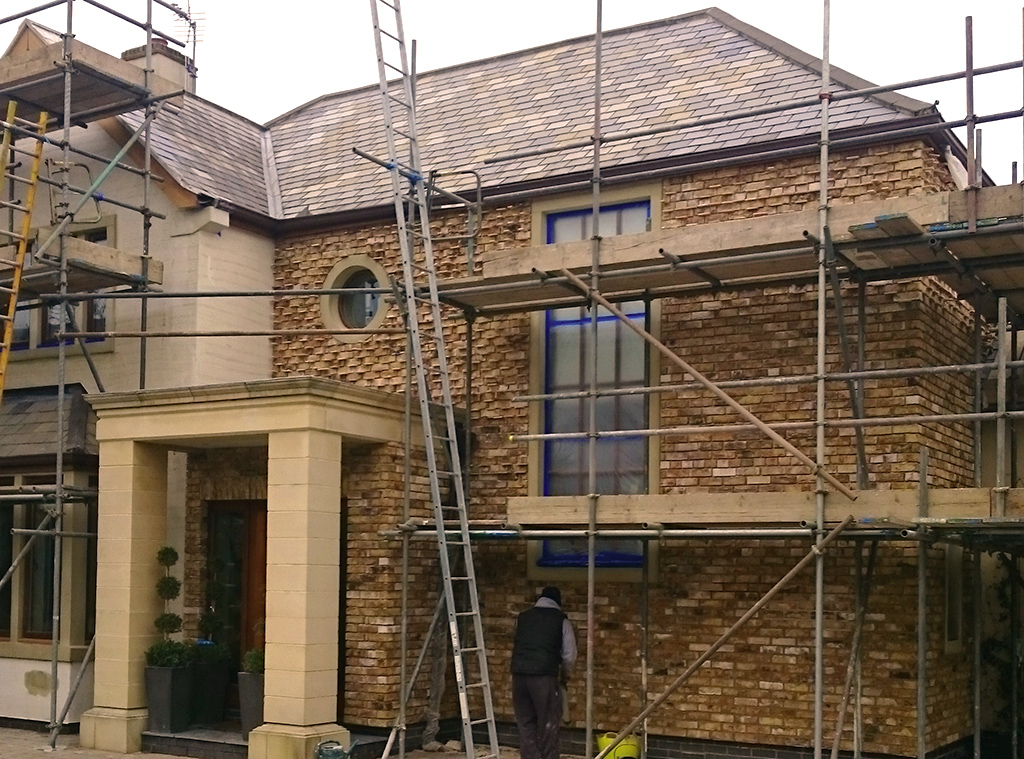
Brick Slip Cladding and Traditional Brickwork both come with their own set of cost factors that need to be considered before making a decision on which method to choose for your project.
When comparing the overall installation cost between Brick Slip Cladding and Traditional Brickwork, it is essential to consider the initial costs, long-term maintenance expenses, and the overall aesthetics and durability of the chosen method. While brick slip cladding may offer a more cost-effective solution upfront, traditional brickwork may prove to be more durable and require less maintenance in the long run, potentially balancing out the initial cost difference.
When it comes to Brick Slip Cladding and Traditional Brickwork, understanding the maintenance requirements and durability of each is crucial in making an informed decision.
Brick Slip Cladding is known for its durability, as it is resistant to weathering and can withstand the test of time when properly maintained. However, it may be more susceptible to damage compared to Traditional Brickwork due to its thinner profile.
Traditional Brickwork, on the other hand, is renowned for its longevity and robustness, with many structures lasting for centuries without significant deterioration.
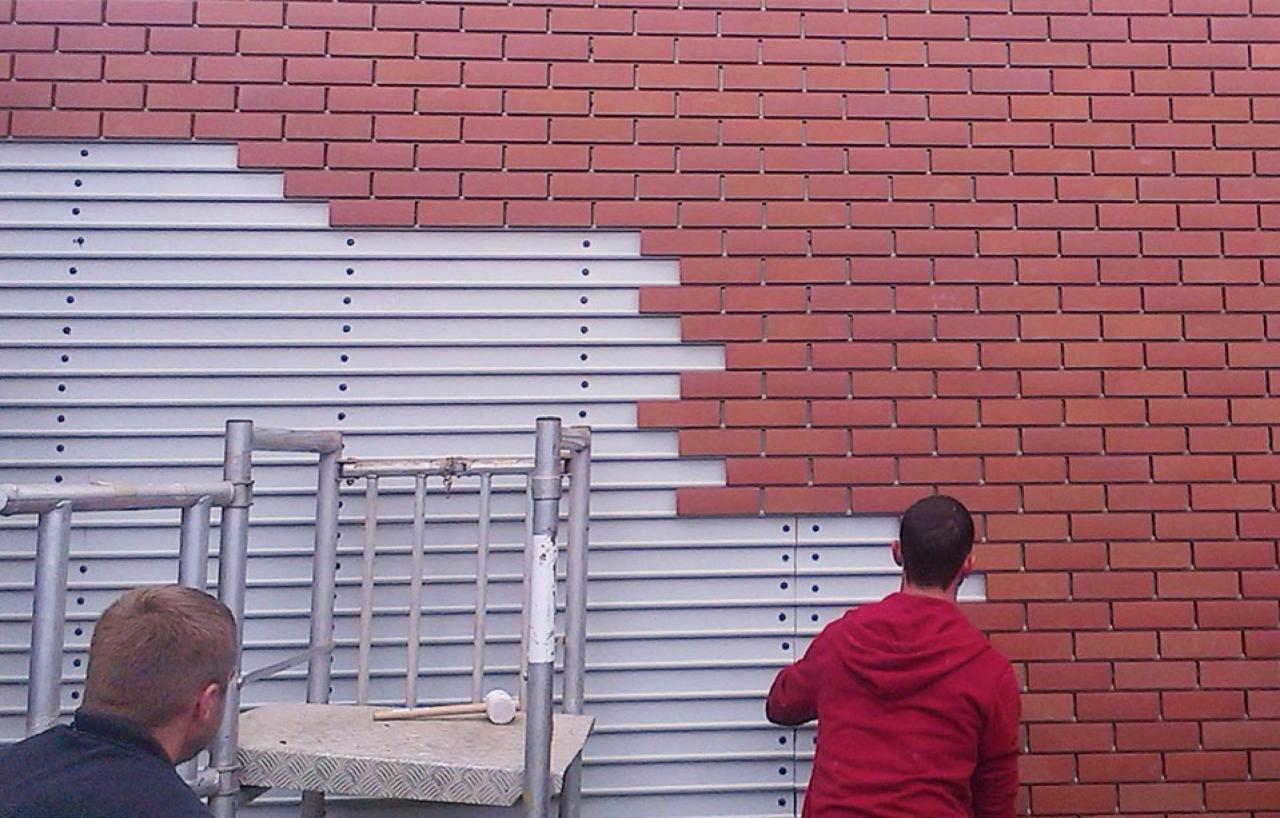
Brick Slip Cladding and Traditional Brickwork offer distinct design options and aesthetics for different architectural needs.
What are the key differences between Brick Slip Cladding and Traditional Brickwork?
Brick Slip Cladding involves applying thin slices of bricks to a surface, mimicking the look of traditional bricks without the weight. Traditional Brickwork uses full-sized bricks in construction.
Which method is more popular in the UK construction industry?
Brick Slip Cladding is gaining popularity due to its cost-effectiveness and ease of installation compared to Traditional Brickwork.
What are the maintenance requirements for Brick Slip Cladding?
Brick Slip Cladding requires regular cleaning and sealing to maintain its appearance and integrity.