
HIPAA Compliance and Claims Validation Through Automated Healthcare Clearinghouses: A Comprehensive Guide
Exploring the realm of HIPAA Compliance and Claims Validation Through Automated Healthcare Clearinghouses, this introduction sets the stage for a detailed and insightful discussion that delves into the intricacies of healthcare data security and validation processes.
The following paragraphs will provide a thorough examination of the importance of HIPAA compliance, the role of automated healthcare clearinghouses, the claims validation process, and data security measures in ensuring privacy and integrity of sensitive information.
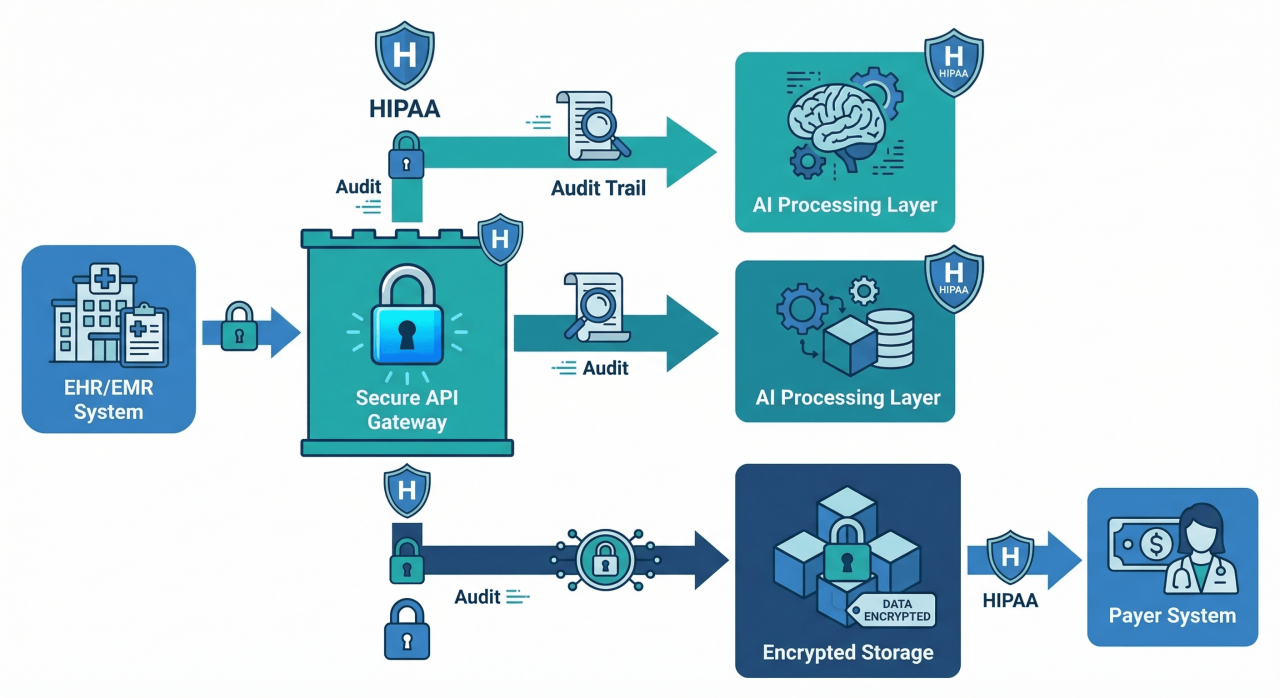
HIPAA compliance is crucial in the healthcare industry to ensure the protection of patients’ sensitive information and maintain the confidentiality of their medical records. It sets standards for the secure handling of healthcare data and requires healthcare providers, insurers, and clearinghouses to implement safeguards to protect patient privacy.
Automated healthcare clearinghouses that fail to comply with HIPAA regulations face serious consequences, including hefty fines and legal penalties. Non-compliance can result in data breaches, leading to the exposure of patients’ personal and medical information. This can damage the reputation of the healthcare organization and erode patient trust.
Additionally, non-compliance puts patients at risk of identity theft and other forms of fraud, highlighting the importance of adhering to HIPAA regulations in claims validation processes.
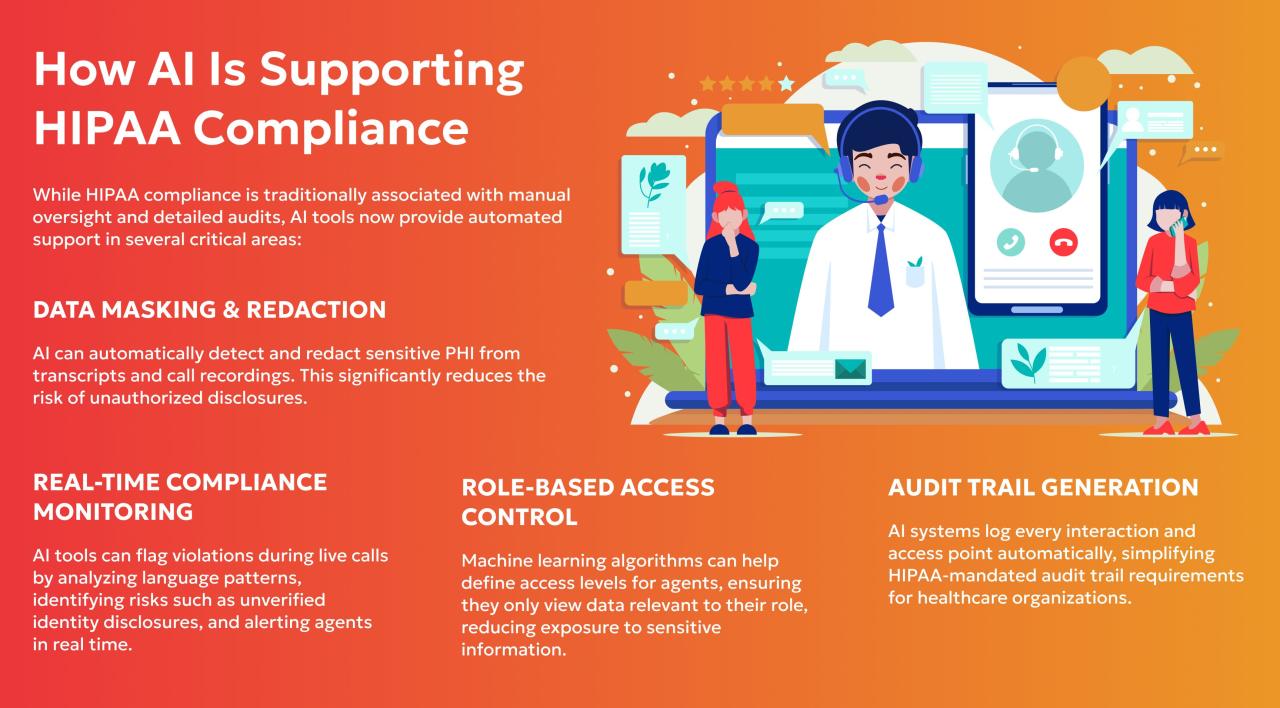
Automated healthcare clearinghouses play a crucial role in processing claims efficiently and accurately within the healthcare industry. These electronic platforms act as intermediaries between healthcare providers and insurance companies, streamlining the claims submission and reimbursement process.
Automated healthcare clearinghouses automate the validation and processing of healthcare claims, ensuring that they meet the requirements set forth by insurance companies. By electronically scrubbing claims for errors or missing information, these systems help reduce claim denials and accelerate the reimbursement process.
Automated healthcare clearinghouses leverage a variety of technologies to streamline claims validation, including:
When it comes to claims validation through automated healthcare clearinghouses, the process involves several key steps to ensure accuracy and efficiency in handling healthcare claims. Automated systems play a crucial role in streamlining this process and minimizing errors that can occur during manual validation.
Automated systems utilize advanced algorithms and validation checks to verify the accuracy and integrity of the data within healthcare claims. By cross-referencing information, detecting errors, and ensuring compliance with industry standards, these systems help prevent billing discrepancies and reduce the likelihood of claim denials.
Automated healthcare clearinghouses play a crucial role in ensuring data security and privacy during claims validation. By implementing robust encryption methods and security measures, these systems uphold HIPAA regulations to safeguard sensitive healthcare information.
What are the consequences of non-compliance with HIPAA regulations?
Non-compliance with HIPAA regulations can result in hefty fines, reputational damage, and legal repercussions for healthcare organizations. It is crucial to adhere to these regulations to protect patient data and maintain trust.
How do automated healthcare clearinghouses ensure data accuracy during claims validation?
Automated systems use advanced algorithms and validation processes to cross-check data, minimizing errors and ensuring accuracy in claims validation. Real-time validation further enhances the efficiency of this process.
What encryption methods are commonly used to protect healthcare data?
Encryption methods such as AES (Advanced Encryption Standard) and SSL (Secure Sockets Layer) are widely used to safeguard sensitive healthcare information transmitted through automated systems, ensuring compliance with HIPAA security requirements.