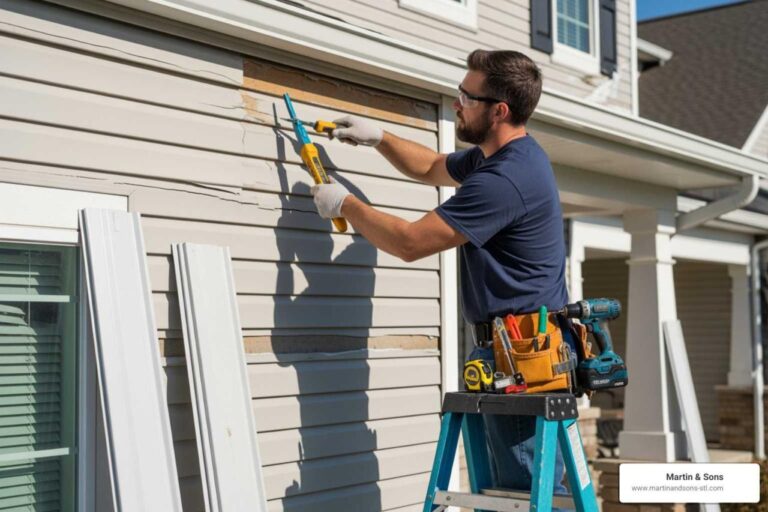
The Ultimate Guide to Siding Replacement: Everything You Need to Know
Replacing the siding of your home is a crucial aspect of maintenance that can have a significant impact on its overall appearance, functionality, and value. Whether your siding is damaged, outdated, or simply in need of a refresh, investing in siding replacement can provide numerous benefits.
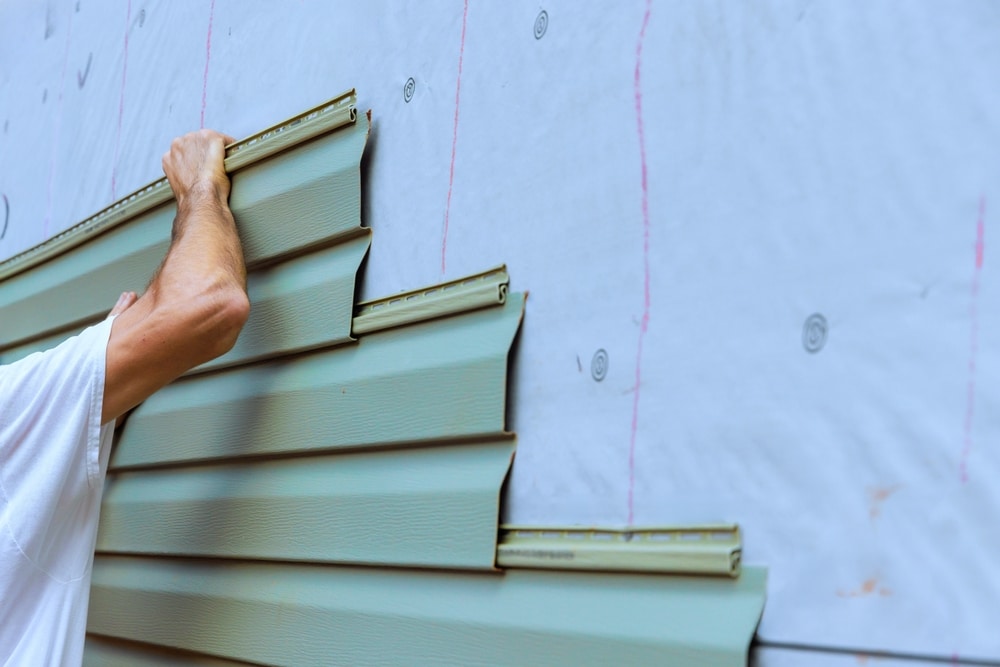
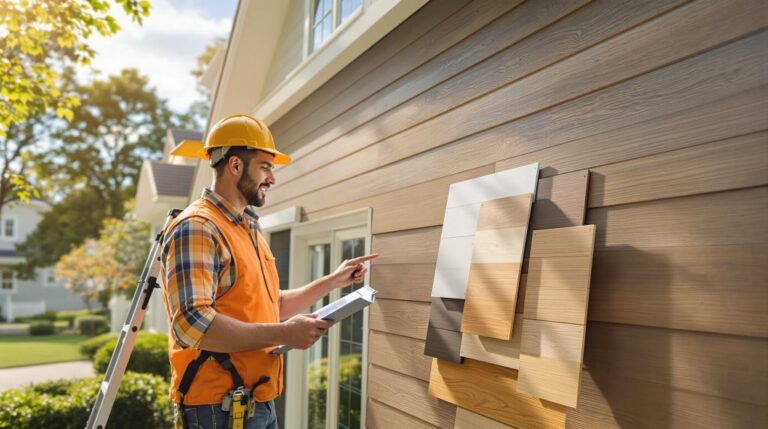
When it comes to siding replacement, choosing the right material is crucial for the overall look, durability, and maintenance of your home. Let’s explore the different siding materials available in the market and their unique characteristics.
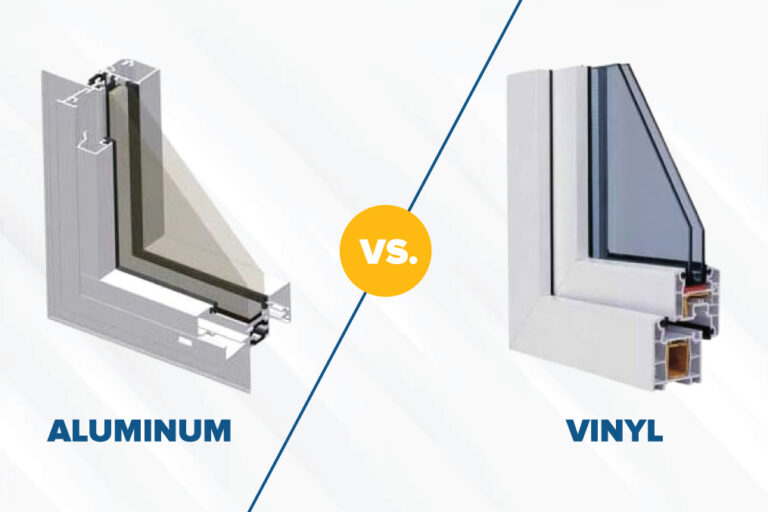
Vinyl siding is a popular choice due to its affordability and low maintenance requirements. It is durable, resistant to pests and rot, and comes in a wide range of colors and styles. However, it may crack or fade over time, especially in extreme weather conditions.
Wood siding offers a classic, natural look and can enhance the aesthetic appeal of your home. It is environmentally friendly and can be easily painted or stained to match your desired color scheme. On the downside, wood siding requires regular maintenance, such as painting and sealing, to prevent rot, mold, and insect damage.
Fiber cement siding is known for its durability and resistance to fire, moisture, and pests. It can mimic the look of wood or masonry without the high maintenance requirements. However, fiber cement siding is heavier and may require professional installation, adding to the overall cost.
Metal siding, such as aluminum or steel, is highly durable, resistant to fire, rot, and pests, and requires minimal maintenance. It is lightweight and can be painted in various colors to suit your preferences. On the downside, metal siding may dent or scratch easily, especially in areas prone to severe weather conditions.Each siding material has its own set of pros and cons, so it’s essential to consider factors such as your budget, climate, and maintenance preferences before making a decision.
Consult with a professional contractor to determine the best siding material for your home.
When planning for a siding replacement project, it is crucial to prepare your house properly to ensure a smooth and successful installation. This involves inspecting the existing siding, addressing any issues, and selecting the right contractor for the job.
Before starting the replacement process, it is essential to thoroughly inspect the current siding on your home. Look for signs of damage, such as cracks, rot, or mold, as these issues can affect the new siding installation. Identifying and addressing these issues beforehand will prevent any underlying problems from worsening and ensure a solid foundation for the new siding.
Once you have identified any issues with the existing siding, it is important to address them before proceeding with the replacement. Repairing or replacing damaged areas, fixing any structural issues, and ensuring proper insulation will help create a stable and secure environment for the new siding to be installed.
Ignoring these issues can lead to further damage and compromise the integrity of the replacement siding.
Choosing the right contractor for your siding replacement project is crucial to its success. Look for a reputable and experienced professional who specializes in siding installations. Get recommendations from friends or family, read reviews online, and ask for references to ensure you are hiring a reliable contractor.
Make sure to get multiple quotes, compare services offered, and ask about warranties and guarantees before making a final decision. Working with a trusted contractor will give you peace of mind and ensure a high-quality siding replacement.
When it comes to replacing siding on your home, there are several important steps to consider. From hiring contractors to obtaining necessary permits, it’s crucial to understand the entire process to ensure a successful siding replacement project.
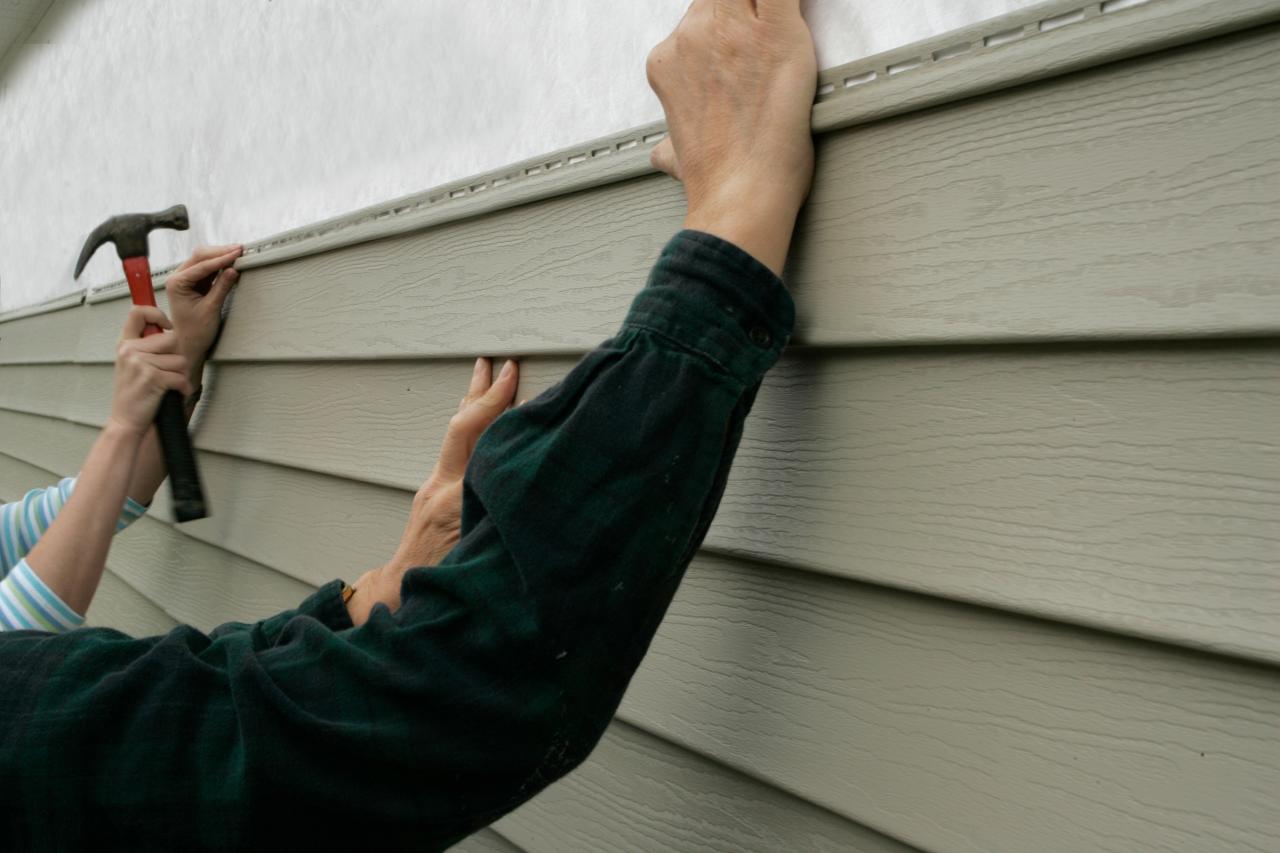
When it comes to siding replacement, the cost can vary based on several factors such as the material chosen, labor costs, and the size of the project. It’s essential for homeowners to understand these considerations to budget effectively and plan for a successful siding replacement project.
$7
$10
$12
$15
Budgeting Tips
- Get multiple quotes from different contractors to compare prices and services.
- Consider the long-term maintenance and durability of the siding material to make a cost-effective choice.
- Plan for unexpected costs by setting aside a contingency fund in case of any unforeseen issues during the project.
Maintenance and Care Tips
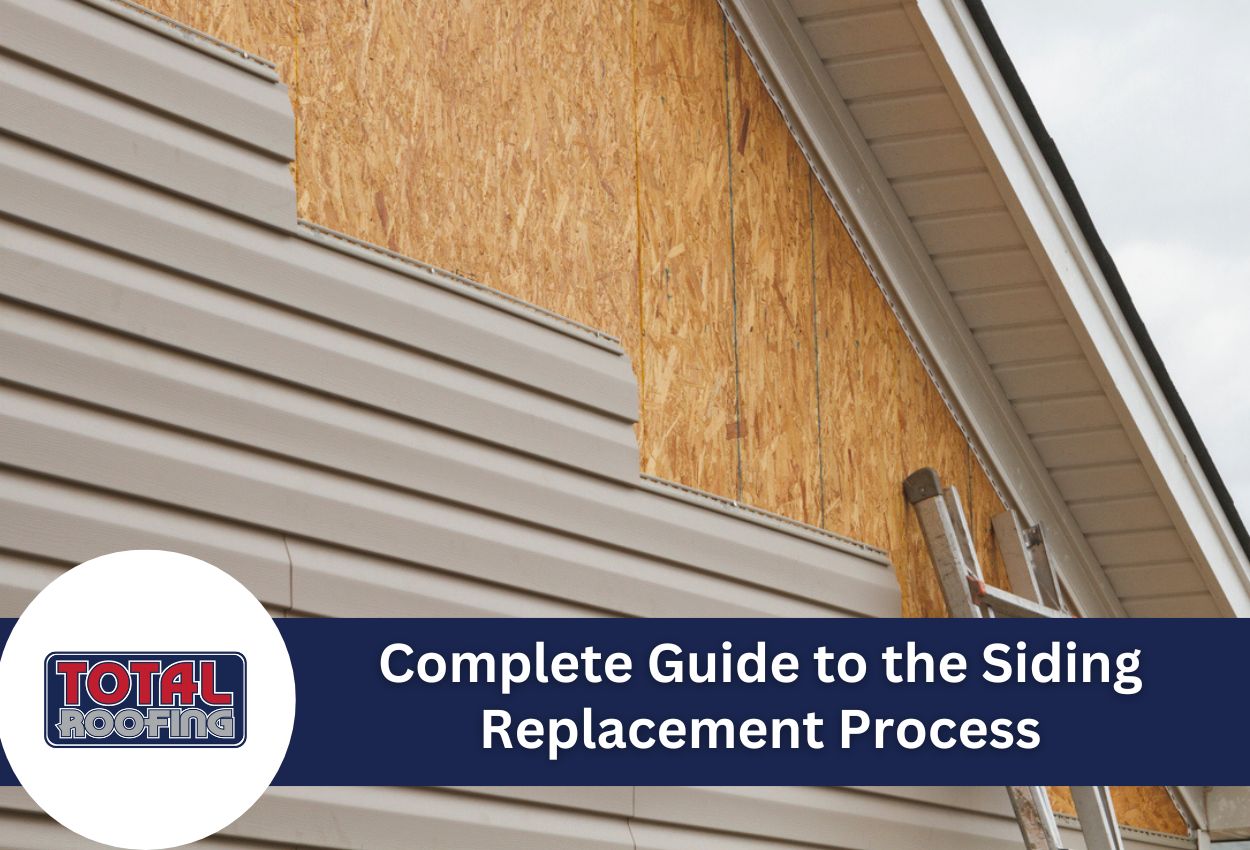
Maintaining and caring for newly replaced siding is crucial to ensure its longevity and appearance. By following some best practices and cleaning routines, you can extend the lifespan of your siding and address any issues that may arise effectively.
What are the key benefits of siding replacement?
Siding replacement improves home aesthetics, boosts energy efficiency, and enhances property value.
How can homeowners effectively budget for a siding replacement project?
Homeowners can get quotes from multiple contractors, prioritize necessary repairs, and consider financing options to budget effectively.
What are some common maintenance issues with siding and how to address them?
Common maintenance issues include mold growth and warping. These can be addressed by regular cleaning and timely repairs.